Key Points
- President Trump said he may block ExxonMobil from future oil investments in Venezuela after the company’s CEO called the country “uninvestable.”
- The move reflects tensions between U.S. government energy strategy and corporate risk perceptions in a legally complex market.
- Chevron may expand output in Venezuela, while Trump protects Venezuelan oil revenues and seeks other investor interest.
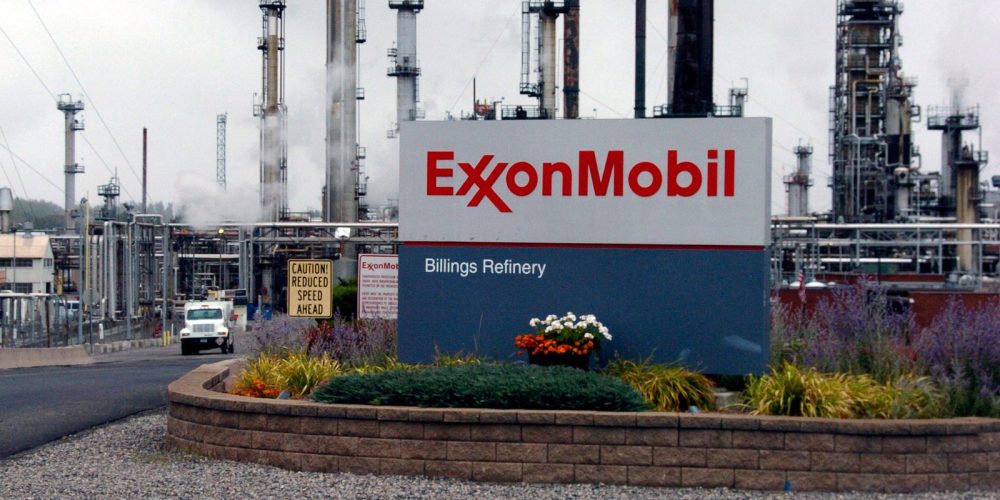
U.S. President Donald Trump said he may prevent ExxonMobil from investing in Venezuela’s oil sector after the company’s chief executive described the country as “uninvestable” due to legal and commercial barriers.
The comment came during a White House meeting with top oil executives discussing opportunities in Venezuela following the recent ousting of President Nicolás Maduro.
Trump expressed frustration with Exxon’s cautious stance, suggesting he is “inclined” to exclude the major U.S. oil firm from future energy ventures in the country and instead support other investors he sees as more willing to engage.
This marks a notable shift in Trump’s energy diplomacy and underscores tensions between government goals and corporate risk assessments amid efforts to revive Venezuela’s collapsed oil industry.
Trump also signed an executive order to protect Venezuelan oil revenues held in U.S. Treasury accounts from creditor claims, part of the administration’s broader strategy to stabilize the sector and attract U.S. participation.
Chevron, the only major U.S. company currently operating in Venezuela, has indicated readiness to significantly increase production, while Exxon and ConocoPhillips remain cautious due to past asset seizures and unresolved legal concerns.
Trump said firms would engage directly with the U.S. government rather than Venezuelan authorities, but did not lay out specific legal mechanisms for blocking Exxon, turning investor attention to how U.S. policy might shape foreign ventures in resource-rich but legally complex markets.
The debate highlights broader questions about political influence on corporate decisions and the role of national strategy in shaping global energy investment flows.