

Key Points:
- Egypt is constructing a 2,000-kilometer high-speed electric rail network in partnership with Siemens Mobility.
- The system will connect the Red Sea to the Mediterranean, drastically cutting travel times across the country.
- The project aims to reduce carbon emissions while boosting tourism and economic development in regional hubs.
Egypt is currently building a monumental high-speed rail network to connect its major cities and coastlines. This ambitious infrastructure project aims to modernize the nation’s transportation system while driving economic growth. Once finished, the electric rail line will span approximately 2,000 kilometers across the Egyptian landscape.
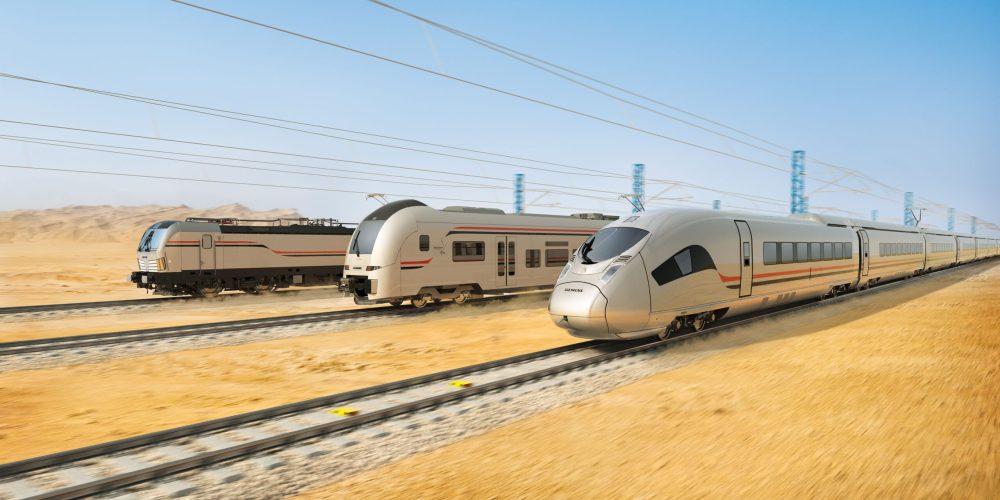
The project involves a strategic partnership with the German engineering giant Siemens Mobility. Engineers are designing a fleet of specialized trains to handle the harsh desert conditions and extreme temperatures. These modern trains will provide faster, safer, and more reliable transport for millions of passengers annually.
This massive network consists of three primary lines that link the Red Sea to the Mediterranean. The first section, often called the “Suez Canal on rails,” connects Ain Sokhna to Marsa Matrouh. This specific route will drastically reduce travel times for commuters and international tourists alike.
The second line will run from Cairo to Abu Simbel near the southern border. This connection will make Egypt’s iconic historical sites much more accessible to the global public. The third line focuses on linking the industrial hubs of Luxor and Hurghada to stimulate regional trade.
Sustainability serves as a core pillar for this historic transportation overhaul. The electric trains will significantly lower carbon emissions compared to traditional diesel engines and passenger cars. This shift reflects Egypt’s commitment to modernizing its infrastructure while protecting the environment for future generations.
Siemens is supplying three distinct types of trains to meet various travel needs. The high-speed Velaro trains will reach speeds of up to 250 kilometers per hour. Regional Desiro trains and Vectron freight locomotives will handle shorter commutes and heavy cargo transport.
This infrastructure investment will create thousands of jobs for Egyptian workers and local engineers. The construction process includes building new bridges, tunnels, and state-of-the-art stations in previously underserved areas. Local communities expect a significant economic boost as new transport hubs attract businesses and services.
The high-speed rail system will serve as a vital backbone for Egypt’s burgeoning new administrative capital. It will connect the new city to existing urban centers like Cairo and Alexandria seamlessly. Efficient transit is essential for the government’s plan to reduce overcrowding in historical metropolitan areas.
Safety and comfort remain top priorities for the developers and government officials involved. The trains will feature advanced digital signaling systems to prevent accidents and ensure punctuality. Passengers can expect modern amenities, including onboard internet access and comfortable seating for long-desert journeys.
Egypt’s high-speed rail project represents one of the largest infrastructure undertakings in the nation’s modern history. It signals a new era of connectivity and progress for North Africa and the Middle East. The world is watching as Egypt transforms its ancient landscape with cutting-edge German technology.









