Key Points:
• Dozens of foreign tourists became stranded on Socotra Island after international flights were suspended.
• Limited transport links and geopolitical tensions complicated evacuation efforts.
• The incident raises concerns about travel risks to remote destinations with fragile infrastructure.
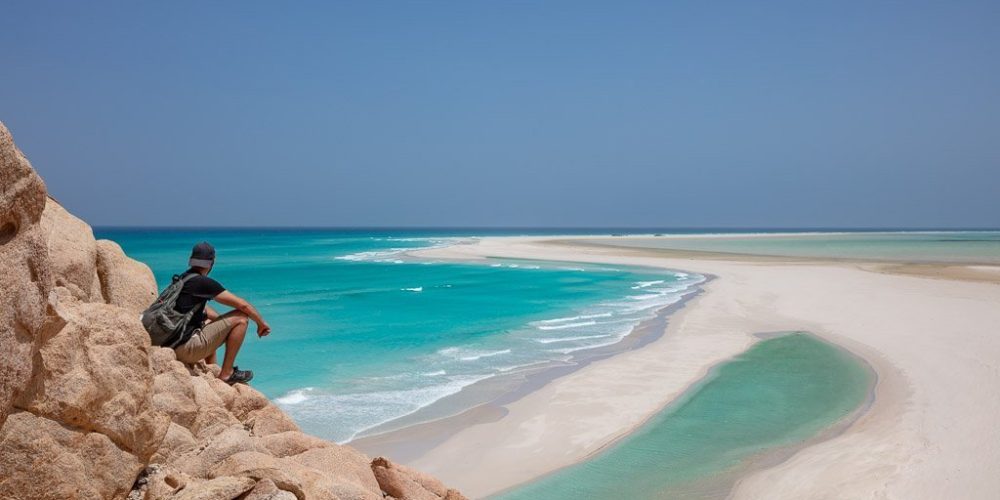
Foreign tourists visiting Yemen’s remote Socotra Island found themselves stranded after international flights were abruptly halted. The disruption left travelers from multiple countries unable to leave the island as scheduled. Socotra, known for its rare biodiversity and dramatic landscapes, has grown popular among adventure travelers seeking off-the-map destinations.
The flight suspension reportedly followed regional security and logistical challenges affecting air travel. With no immediate commercial alternatives available, tourists faced unexpected delays. Many had planned short visits and lacked extended accommodation arrangements, adding pressure to an already stressful situation.
Socotra sits in the Arabian Sea and remains geographically isolated from mainland Yemen. Access depends heavily on limited air connections, often routed through neighboring countries. When flights stop, options shrink quickly, especially for non-residents without local support networks.
Local authorities and tour operators worked to assist stranded visitors. Some travelers received temporary housing and food support, while others relied on tour companies to coordinate updates. Communication proved difficult due to limited infrastructure and slow access to official information.
Several tourists expressed frustration over unclear timelines for departure. While most reported feeling physically safe, uncertainty weighed heavily. Some travelers struggled with visa concerns, work commitments, and the financial impact of extended stays beyond planned itineraries.
Socotra’s appeal lies in its isolation and untouched environment, but the incident highlighted the risks tied to such destinations. Emergency response capacity remains limited, and sudden changes can leave visitors dependent on diplomatic channels for assistance.
Foreign embassies monitored the situation closely and advised their citizens to remain patient. Diplomatic efforts focused on arranging alternative flights or special permissions to resume limited air services. Progress depended on coordination between regional authorities and aviation providers.
The incident also raised broader questions about travel advisories and risk awareness. While Socotra is considered safer than mainland Yemen, it still operates within a country affected by long-term conflict. Experts warn that even stable pockets can face sudden disruptions.
Tourism to Socotra has increased in recent years, driven by social media exposure and niche travel marketing. The island’s unique flora, including dragon blood trees, attracts eco-tourists and photographers. However, infrastructure development has not kept pace with growing visitor interest.
Travel analysts suggest the situation may prompt stricter planning requirements for operators. Future tours may need stronger contingency plans, clearer disclosures, and closer coordination with authorities. Insurance coverage and emergency exit strategies are likely to gain importance.
Most stranded tourists eventually expected evacuation through chartered or reinstated flights. Still, the experience left many reconsidering travel to politically sensitive regions, even those marketed as safe havens.
The episode serves as a reminder that remote travel carries unique risks. While destinations like Socotra offer unmatched experiences, travelers must weigh beauty against accessibility. Preparedness, flexibility, and awareness remain essential for international travel in unstable regions.