Key Points
- CES 2026 showcased a broad range of next-gen gadgets, from foldable phones and AI robots to advanced displays.
- Display technology, especially large Micro RGB TVs and high-performance laptops, stood out as major spotlight segments.
- Smart home tech and AI-integration in appliances and wearables highlighted personalization and automation trends.
CES 2026 in Las Vegas unveiled a wave of futuristic gadgets and smart tech that hint at how consumer electronics will evolve this year. The show brought innovations spanning smartphones, TVs, AI-powered devices, smart home gear, wearables and robotics, with many brands focusing on performance, personalization and practical automation.
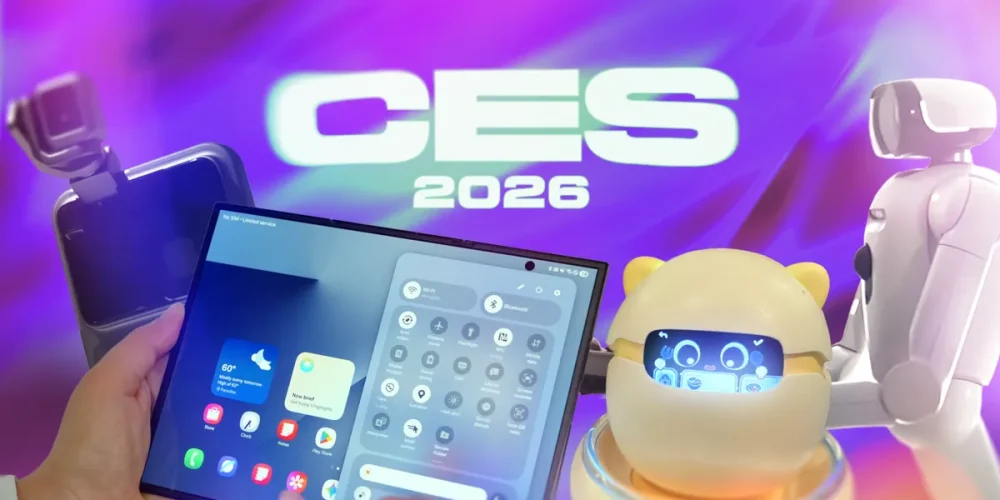
Smartphones and foldables drew major attention, including Motorola’s first book-style folding phone that blends large-screen utility with pocketable design. Samsung continued its display leadership with a crease-free Galaxy Z TriFold concept alongside the world’s largest 130-inch Micro RGB TV prototype, promising broader color range and immersive viewing.
Display technology dominated several product categories, with new TVs from LG, Hisense and TCL showcasing ultra-bright, high-contrast panels, expanded color gamut and sleek form factors. TV makers leveraged evolving backlight and color technologies to push brightness and vivid imagery beyond previous CES showcases, suggesting 2026 will be a strong year for home entertainment upgrades.
Laptops and computing devices also grabbed attention, with Lenovo’s rollable Legion Pro gaming laptop and new ThinkBook designs. HP demoed hybrid keyboard-computer systems, while Asus, Dell and MSI introduced powerful notebooks and gaming-centric gear with advanced cooling, performance chips and futuristic form factors that may shape PC trends for consumers and professionals alike.
AI and robotics were on full display across categories. LG’s multifunctional CLOiD robot and Roborock’s stair-climbing Saros Rover vacuum showed how automation is expanding beyond simple tasks into more adaptive behaviors. AI integrations appeared in pet-care solutions, smart appliances and voice-enabled interfaces, emphasizing convenience and self-learning features in everyday tech.
Smart home gadgetry also evolved, with Aqara’s UWB-powered smart locks, Samsung’s voice-controlled Family Hub fridge and GE Profile kitchen assistants that offer grocery management and voice features. Modular lighting systems from Ikea, Amazon and LG integrated smoothly with home ecosystems, catering to customization and seamless control through connected apps and voice assistants.
Wearables and audio tech brought fresh ideas too. Razer teased its Project Motoko AI headset, pushing spatial audio and integrated sensors, while Shokz debuted open-ear noise-reducing headphones. Health-focused tech appeared from biometric interfaces to smart accessories designed for everyday wellness monitoring, revealing how CES continues to blur the line between gadgets and lifestyle tools.
Amid the polished innovations, some of the unusual and conceptual tech drew laughs and intrigue. Bizarre or whimsical devices ranged from AI-powered novelty items to unexpected applications of emerging technologies, reminding attendees that CES is as much about wild experimentation as it is about mainstream commercial launches.
Beyond individual gadgets, broader trends emerged. AI permeated almost every category, with companies embedding machine learning into appliances, security products, mobility interfaces and entertainment platforms. Sustainability, user personalization and cross-platform integration also stood out as key thematic drivers throughout the show floor.
CES 2026 underscored the continued relevance of the event as a global stage for unveiling the next wave of consumer tech. As products move from prototype to shipping models, the innovations showcased here will likely shape consumer expectations for gadgets, connectivity and automation over the coming year and beyond.