Key Points
- US forces captured two oil tankers linked to Venezuela, including one flying a Russian flag, expanding a sanctions blockade.
- The Marinera, formerly known as Bella-1, was seized after a weeks-long Atlantic chase; the Panama-flagged M Sophia was also intercepted.
- Washington plans to resume refining and selling Venezuelan oil, stirring international backlash from China and others.
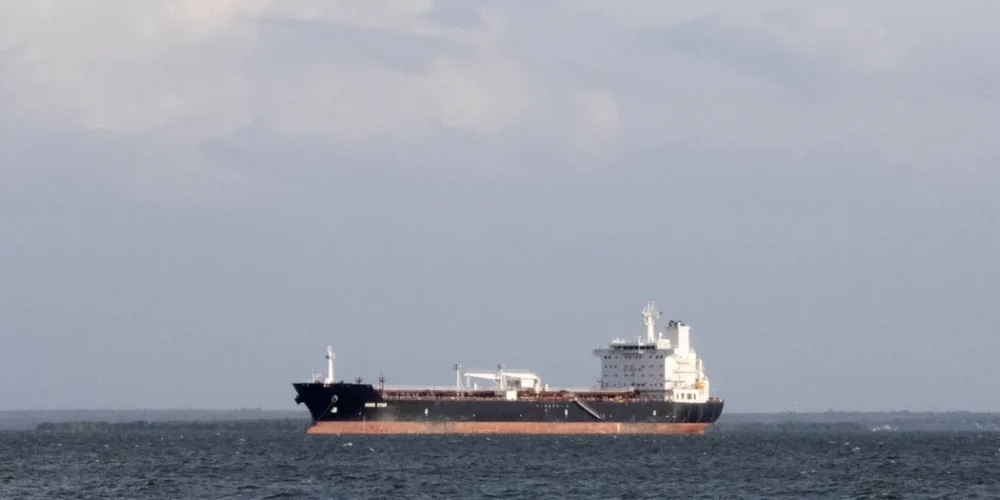
The United States has stepped up its efforts to control oil flows in the Western Hemisphere by seizing two tankers connected to Venezuela’s oil exports. One vessel was sailing under a Russian flag, while the other was a Panama-flagged ship reportedly carrying Venezuelan crude. The moves come as part of President Donald Trump’s broader strategy to influence energy markets and pressure Venezuela.
After weeks of pursuit across the Atlantic Ocean, the US Coast Guard and military special forces boarded the crude-oil tanker Marinera, formerly named Bella-1. The ship had earlier evaded boarding attempts and changed its registry to Russia’s flag, a tactic US officials describe as sanctions evasion.
Officials said the second tanker, the M Sophia, was intercepted near the northeast coast of South America. That vessel is closely tied to Venezuela’s state oil company, PDVSA, and is believed to have been on a sanctioned export route. This seizure marked the fourth taken under the administration’s campaign against the so-called “shadow fleet” of tankers.
The actions are tied to a broader political offensive following a military raid in Caracas that resulted in the capture of Venezuelan President Nicolás Maduro. The US aims to disrupt what it labels illicit oil shipments and redirect flows to serve American interests, including easing oil shortages and weakening political opponents.
Trump’s administration is also moving to roll back some sanctions on Venezuelan crude to allow the United States to refine and sell up to 50 million barrels of previously blocked oil. Officials say this could open economic potential for both nations, though critics worry about legality and long-term implications.
China quickly denounced the US actions as coercive “bullying,” accusing Washington of overreach in dictating Venezuela’s sovereign resources. Chinese officials stressed that Venezuela’s right to manage its oil should be respected, reflecting broader tensions between the two powers over energy and influence in Latin America.
Moscow also criticized the seizure of the Russian-flagged tanker as unjustified and potentially illegal. The Kremlin’s response highlighted the risk of broader diplomatic friction, especially amid ongoing geopolitical disputes with the United States.
Domestically, Trump and Vice President J.D. Vance have framed the strategy as a way to diminish dependence on foreign oil networks and bolster American energy security. They argue that controlling Venezuelan oil exports will allow the United States to stabilize regional markets and assert leadership in a contested global arena.
Critics, including some US lawmakers, warn that seizing foreign vessels may set a troubling international precedent. They also question the legal basis for such seizures, especially when vessels fly foreign flags and operate in international waters. Concerns center on potential escalation with rival nations.
Venezuela’s interim government, led by Delcy Rodríguez after Maduro’s detention, has shown cautious willingness to engage with the US on oil deals, though it publicly condemns the seizures. Negotiations with PDVSA continue as Caracas seeks terms described as “legal, transparent and beneficial.”
Oil markets reacted to the evolving situation, with global prices pressured by expectations of increased supply under US control. Energy analysts will closely monitor whether diverted Venezuelan crude impacts longer-term price trends and geopolitical risk premiums in commodity markets.
The dual tankers’ seizures represent a dramatic escalation in Washington’s use of maritime enforcement against sanctioned oil shipments. They underscore growing tensions around natural resources, international law, and geopolitical influence, especially involving the United States, Russia and China.