Key Points:
- US markets start 2026 balancing easing inflation hopes with uncertainty over interest rates.
- Investors focus on corporate earnings strength and signals from the Federal Reserve.
- Global risks and election-year politics add volatility to US assets.
US financial markets move into 2026 with a guarded but constructive mood. Investors welcome signs that inflation pressures continue to cool. At the same time, uncertainty around interest rate cuts keeps risk appetite in check. Trading reflects a market searching for clarity after a volatile previous year.
Equities enter the year near record territory, supported by resilient economic data. Strong consumer spending and steady employment prevent fears of a sharp slowdown. However, valuations remain stretched in several sectors. Investors increasingly demand earnings growth to justify current stock prices.
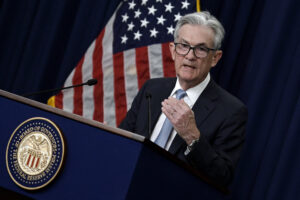
The policy outlook dominates market conversations. The Federal Reserve signals patience on rate decisions. Officials stress data dependence rather than firm timelines. Markets still price possible rate cuts later in 2026, but confidence fluctuates with each economic release.
Bond markets reflect this uncertainty. Treasury yields stabilize after last year’s swings, yet remain sensitive to inflation updates. Any surprise acceleration in prices could push yields higher again. Stable yields help equities, but sudden moves still risk unsettling stock markets.
Corporate earnings take center stage early in the year. Investors watch whether companies can protect margins amid higher labor and borrowing costs. Technology and energy firms draw attention, given their outsized influence on indexes. Disappointing results could trigger swift market corrections.
Major US benchmarks show mixed momentum. The S&P 500 holds near highs, supported by large-cap leaders. Meanwhile, smaller stocks lag as financing conditions remain tighter. This uneven performance highlights selective risk-taking rather than broad optimism.
Global developments continue shaping US market sentiment. Slowing growth in parts of Europe and Asia affects multinational earnings. Geopolitical tensions and trade frictions add uncertainty to supply chains. Investors increasingly factor global risks into domestic investment decisions.
The US dollar stays relatively firm, reflecting higher yields compared with other developed markets. A strong dollar pressures exporters but helps contain imported inflation. Currency moves remain a key variable for earnings forecasts and commodity prices throughout the year.
Political factors also influence markets. With major elections approaching, policy debates over taxes, spending, and regulation intensify. Investors watch for signals that could reshape corporate profits or government borrowing. Election-year volatility often creates short-term swings in asset prices.
Commodities present a mixed picture. Oil prices fluctuate on supply discipline and demand forecasts. Industrial metals track global manufacturing signals. Stable commodity markets help contain inflation risks, supporting hopes for a softer landing in the US economy.
Overall, US markets enter 2026 without euphoria or panic. Investors balance optimism about growth with caution over policy and global risks. The coming months will test whether earnings strength and easing inflation can sustain current valuations. Until clarity improves, markets likely remain sensitive to data and headlines.