Key Points:
- A new arrangement could send up to $2 billion of Venezuelan crude to the United States, easing supply pressures.
- China condemned the move as coercive and may shift purchases to Iran and Russia.
- Oil markets fell as traders reacted to expected higher supply and geopolitical tensions.
Global oil markets reacted sharply after Washington announced a deal to redirect a large portion of Venezuela’s crude to the United States. President Donald Trump’s administration said Caracas would export up to $2 billion worth of embargoed oil to the U.S., a move that could add supply to an already oversupplied market and pressure prices downward.
Oil benchmarks slid about 1 percent as traders anticipated increased supply hitting global markets. Brent crude futures dipped near the low $60s a barrel, while U.S. West Texas Intermediate also weakened. Anticipation of diverted cargoes originally bound for China contributed to the bearish sentiment among investors.
The arrangement comes after U.S. forces captured Venezuelan President Nicolás Maduro in a high-profile operation in Caracas. This geopolitical upheaval opened the door to the energy agreement, which marks a significant shift in U.S.–Venezuela relations and reshapes traditional trade patterns for the South American exporter.
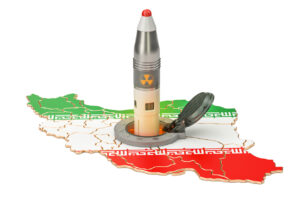
China reacted strongly to the deal. Beijing’s foreign ministry labeled the U.S. move as coercive and damaging to Venezuela’s sovereignty. Chinese authorities say such actions undermine international law and could damage the rights of the Venezuelan people. In response, Chinese refiners are expected to pivot toward other heavy crudes, including supplies from Iran and Russia, to fill the gap left by reduced Venezuelan imports.
Venezuela historically sent a large share of its crude to China, which relied on discounted heavy grades from the South American nation. Analysts say Beijing’s independent refiners, often called teapots, may increasingly source Iranian crude in the coming months to replace lost Venezuelan shipments.
The U.S. move is part of broader pressure on Venezuela’s oil sector following sanctions and military intervention. Diverting oil to the United States not only supplies American refiners but also undermines Venezuela’s traditional export routes. The rerouting of cargoes may help Venezuelan producers unload oil stranded in storage and prevent deeper production cuts.
Despite the potential supply shift, industry analysts caution that Venezuela’s oil industry still faces structural challenges. Years of underinvestment and sanctions have diminished output, and ramping up production will require significant capital and political stability—factors that remain uncertain pending broader reforms and security conditions on the ground.
The political dimension of the deal also resonates beyond energy markets. China, Russia, and leftist allies have condemned the U.S. action as a form of bullying. Their criticism highlights rising tensions in global geopolitics as Washington expands its influence in Latin America at the expense of traditional partners like Beijing.
Market reactions reflect the complex mix of supply expectations and geopolitical risk. While additional Venezuelan barrels headed to the U.S. could support refiners and temper prices, the broader geopolitical fallout may introduce volatility. Traders now track both supply flows and diplomatic developments as key price drivers.
Longer-term oil price trends could hinge on how China adjusts its crude sources and whether Venezuela can sustainably increase production. For now, markets remain cautious, balancing geopolitical headlines with fundamental oversupply pressures in the early months of 2026.