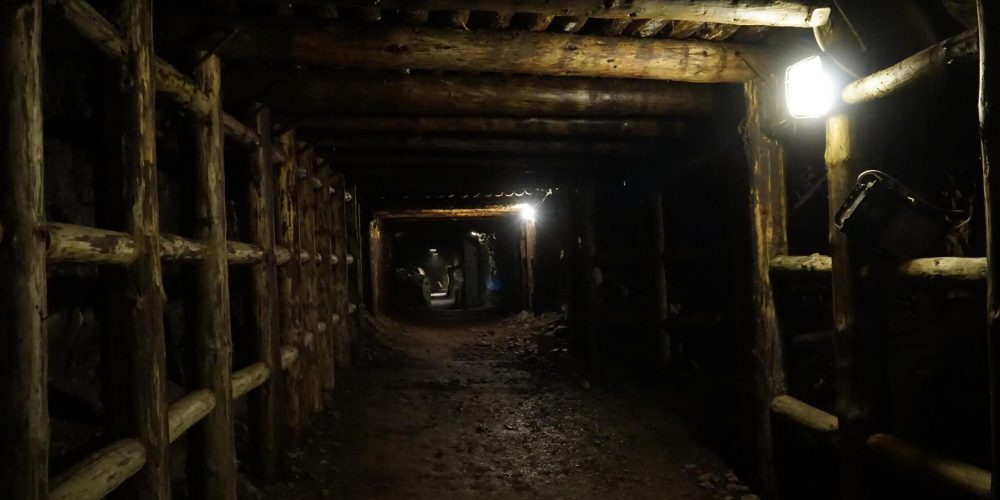
Key Points:
- A vast Nazi-era underground site has drawn new attention after recent discoveries and tourism interest.
- Historians stress education and remembrance over sensationalism as visitors increase.
- Local authorities face challenges balancing preservation, ethics, and responsible tourism.
A newly spotlighted Nazi-era underground complex has stirred global interest, blending history, tourism, and ethical debate. Hidden beneath an ordinary European town, the site once formed part of Germany’s secret wartime infrastructure. Recent exploration and documentation have transformed it from a forgotten relic into a focal point for historians and travelers alike.
The underground network dates back to the final years of World War II. Nazi planners built it to protect military production and command operations from Allied air raids. Tunnels housed factories, storage areas, and living quarters. Much of the construction relied on forced labor, leaving behind a legacy of suffering that shapes how the site is discussed today.
For decades, the complex remained largely sealed and overlooked. Changing attitudes toward confronting difficult history prompted renewed archaeological and historical research. Improved mapping technologies and archival discoveries revealed the site’s scale and strategic role. These findings attracted international attention, particularly from scholars studying wartime engineering and totalitarian systems.
Tourism interest soon followed. Travelers drawn to “dark tourism” seek places connected to tragic or uncomfortable pasts. The underground site now joins locations such as former prisons and battlefields. Visitors describe the experience as unsettling yet powerful, offering a stark reminder of how ordinary landscapes can conceal extraordinary history.
Historians emphasize that the site must serve education, not entertainment. Guides and curators focus on factual storytelling, survivor accounts, and historical context. They aim to highlight the human cost of the Nazi regime rather than glorify its technology. Clear rules discourage photography or behavior that could trivialize the suffering involved.
Local authorities face complex decisions. Increased visitors bring economic opportunities to nearby communities. At the same time, officials must ensure respectful access and protect fragile structures. Safety upgrades, visitor limits, and preservation funding remain ongoing concerns as interest continues to grow.
Community reactions remain mixed. Some residents support responsible tourism that acknowledges history honestly. Others worry about unwanted attention and the emotional weight associated with Nazi sites. Local leaders stress the importance of transparency and dialogue, ensuring residents feel involved in decisions affecting their town’s identity.
The site also raises broader questions about how societies confront painful pasts. Ignoring such places risks historical amnesia. Exploiting them risks distortion. Experts argue that careful interpretation allows these locations to become spaces for learning, reflection, and warning future generations about the dangers of extremist ideology.
As research continues, historians expect further discoveries within the underground network. Each finding adds detail to a complex story of secrecy, oppression, and survival. For visitors, the experience offers more than curiosity. It challenges them to reflect on history’s shadows and the responsibility of remembering them accurately.