Key Points:
- Luxury retail group Saks Global replaces CEO Marc Metrick with Executive Chairman Richard Baker amid financial strain.
- The company missed a $100 million debt payment after its 2024 Neiman Marcus acquisition, fueling bankruptcy discussions.
- Falling demand for luxury goods and heavy debt have pressured Saks Global’s sales and liquidity.
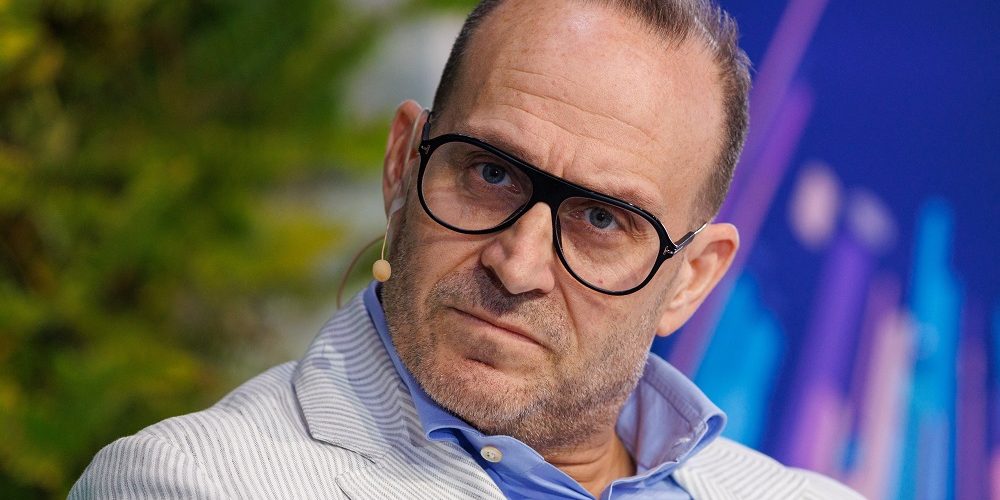
In a dramatic leadership shift, Saks Global has appointed Executive Chairman Richard Baker as its new chief executive. The change comes as the luxury retailer faces mounting financial pressure and growing speculation that it may soon seek bankruptcy protection. Former CEO Marc Metrick stepped down after nearly 30 years with the company, with the board saying he will pursue other opportunities.
Saks Global, which owns high-end department stores including Saks Fifth Avenue, Neiman Marcus and Bergdorf Goodman, formed in mid-2024 after Hudson’s Bay Company merged its luxury brands. The merger aimed to lower costs and strengthen the combined business against competitors like Nordstrom and Macy’s. But the strategy has strained the company’s finances.
The leadership change follows reports that Saks Global missed a critical interest payment of more than $100 million on bonds tied to the Neiman Marcus acquisition. That missed payment, confirmed by multiple industry sources, triggered alarm within financial markets and heightened concerns that the company could file for Chapter 11 bankruptcy.
Analysts note that the luxury goods market has softened, with affluent consumers spending less amid economic uncertainty. Firms like Saks Global have struggled to entice buyers, especially as inflation and global job market instability weigh on discretionary purchases. Sales at the company have also declined, contributing to its cash-flow challenges.
Metrick, who rose through the ranks since joining Saks in the 1990s, led the company’s digital expansion and steered the early stages of the Neiman Marcus merger. Nonetheless, the combined entity’s performance has fallen short of expectations. The company had previously sought to sell minority interests in assets like Bergdorf Goodman to reduce debt, but those efforts did not sufficiently bolster liquidity.
Richard Baker brings deep retail and property experience to the CEO role. He previously led roles tied to major retail chains and owns investment firm NRDC Equity Partners. Baker has overseen other retail turnarounds and will now guide Saks Global through a critical period of debt negotiation and strategic reassessment.
Saks Global has taken steps to address its debt load, including a $600 million notes offering and ongoing asset sales. Still, the company continues discussions with creditors about financing options, including bankruptcy restructuring. A potential Chapter 11 filing would allow Saks Global to reorganize its obligations while remaining operational.
Industry observers say the luxury segment’s contraction reflects broader consumption trends. Shoppers increasingly favor direct-to-consumer brands or more affordable high-fashion outlets. Traditional department store models, even at the high end, face pressure from boutique brands and online channels, challenging firms like Saks Global.
Despite the challenges, Baker and other leaders express confidence in the company’s long-term prospects. By emphasizing personalized service and refined in-store experiences, they aim to differentiate Saks Global in the competitive luxury landscape. Achieving a stable balance sheet and renewed consumer interest will be vital to sustaining that future.
As the company enters this uncertain chapter, attention will remain fixed on debt negotiations, restructuring plans and how the new leadership navigates shifting luxury retail dynamics. The outcome could reshape the future of one of the sector’s most storied names.