Key Points
- The U.S. dollar has fallen about 9 percent in 2025, its weakest performance in years.
- Interest rate expectations and fiscal concerns are key drivers behind continued weakness.
- Broader global growth and monetary divergence may keep downward pressure on the dollar in 2026.
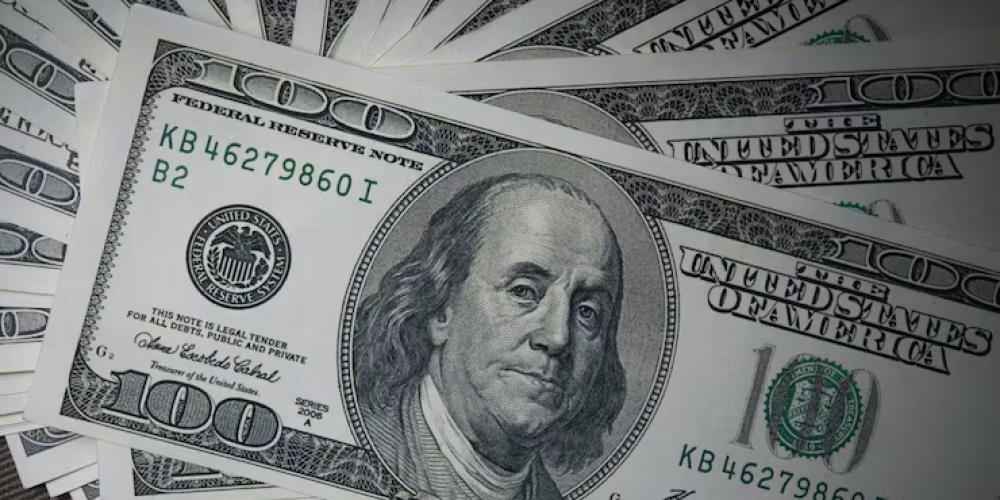
The U.S. dollar has endured a sharp fall in 2025, recording its steepest slide in about eight years and leaving investors bracing for more weakness in 2026. The currency dropped around 9 percent against a basket of other major currencies, with fundamentals pointing to persistent challenges that may keep the greenback under pressure next year.
Several forces drove the dollar’s decline this year. Markets widely anticipated cuts in U.S. interest rates from the Federal Reserve, narrowing the yield advantage that previously attracted global capital. Lower expected returns on dollar-denominated assets made the currency less appealing, especially as other central banks held or tightened rates.
Fiscal concerns have also weighed on confidence. Growing U.S. budget deficits and political uncertainty clouded investor sentiment, reinforcing expectations that the dollar could weaken further. These worries intensified as debates over future monetary policy emerged amid speculation about the next Fed chair appointment.
Analysts say the dollar’s drop reflects broader global shifts. Economic growth in Europe, China, and other regions is expected to outpace the U.S. next year, narrowing the growth premium that once supported the dollar. As global markets strengthen outside the United States, demand for alternative currencies rises, pushing the greenback’s value down.
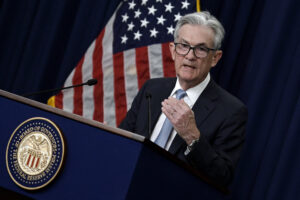
A possible shift in the Federal Reserve’s stance adds to uncertainty. With the current chair nearing the end of his term, investors expect the next leader to adopt a more dovish approach. Lower interest rates tend to reduce investor demand for the currency, especially compared with returns available elsewhere.
Despite the downtrend, the dollar did show some late-year stabilization, climbing about 2 percent off September lows. However, most currency strategists still forecast further weakening in 2026, seeing the brief rebound as temporary rather than a lasting recovery.
A weaker dollar carries a mix of effects for the U.S. economy. On the positive side, a softer currency can boost exporters by making American goods cheaper overseas. Higher foreign earnings translated into stronger reported profits when converted back to dollars can support stock markets and corporate performance.
Yet the downsides are significant for consumers and businesses reliant on imported materials. A lower dollar increases the cost of imports, pushing up prices for goods and services that depend on foreign components. U.S. travelers and importers may face higher costs abroad, reducing purchasing power.
Central bank divergence remains a key theme. While the Fed is expected to cut rates, other major banks appear cautious or even poised to tighten policy. This gap in monetary strategies can further weaken the dollar as yields in other regions become relatively more attractive.
Investors remain divided on how far the dollar could fall. Some see limited downside if U.S. equities attract capital due to strong earnings or if fiscal stimulus lifts growth. Others argue that deeper structural issues, including persistent deficits and slower domestic growth, point to broader weakening.
As 2026 unfolds, currency traders and policymakers will closely watch economic data, Fed signals, and global growth trends. The dollar’s global role means its performance affects international investment flows, trade balances, and financial markets worldwide. How these factors play out will shape currency markets next year and beyond.