Key Points:
- France, Spain, and Italy remain Europe’s most popular travel destinations.
- Short trips, affordability, and rail access increasingly shape travel choices.
- Sustainability and proximity drive growth in intra-EU tourism.
Travel within Europe continues to dominate holiday plans, as new data highlights where Europeans most enjoy spending their breaks. According to recent findings, travellers increasingly choose destinations closer to home, driven by affordability, convenience, and improved transport links. Southern and Western Europe remain especially popular, reflecting enduring preferences for culture, climate, and food.
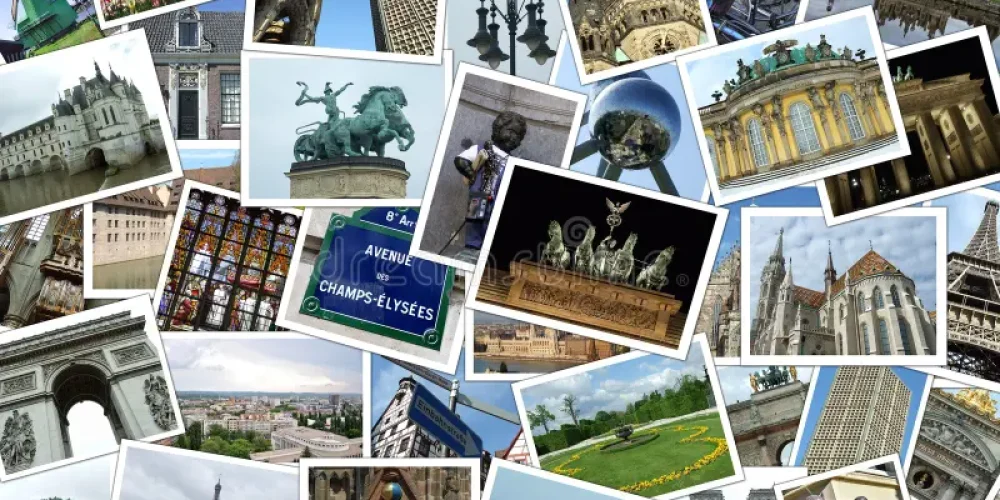
France ranks as the most visited destination among Europeans, attracting travellers with its diverse regions, strong rail network, and mix of cities and countryside. Spain follows closely, supported by year-round sunshine, coastal resorts, and vibrant urban tourism. Italy also maintains a strong position, with historic cities and culinary appeal continuing to draw visitors from across the continent.
Germany and Austria emerge as leading central European destinations, particularly for short breaks and seasonal travel. City tourism in Berlin, Munich, and Vienna benefits from efficient transport and cultural events. Alpine regions also attract visitors seeking outdoor activities, especially hiking and winter sports, reinforcing their appeal beyond traditional summer holidays.
Smaller countries show growing popularity as well. Portugal continues to gain attention for its affordability and relaxed lifestyle, while Greece benefits from island tourism and extended travel seasons. Croatia strengthens its reputation as a Mediterranean alternative, attracting visitors interested in coastal scenery combined with historic towns and national parks.
Northern Europe also sees rising interest, especially among travellers seeking nature-focused experiences. Scandinavian countries attract visitors with fjords, forests, and well-developed eco-tourism. Although higher costs remain a barrier for some travellers, demand continues to grow for unique experiences and sustainable travel options.
Travel patterns reveal that Europeans increasingly favour trips lasting under one week. Improved rail connections and low-cost flights encourage more frequent travel throughout the year. City breaks and short cultural trips now rival traditional long summer holidays, reshaping tourism flows across the region.
Affordability plays a central role in destination choice. Rising living costs push travellers to seek value-driven options without sacrificing quality. Countries offering competitive accommodation prices, accessible public transport, and varied attractions benefit most from this shift. Eastern European destinations also gain traction as budget-friendly alternatives.
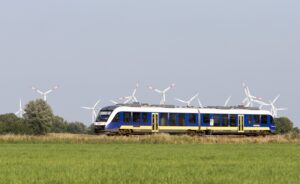
Sustainability influences travel decisions more than before. Many travellers prefer destinations reachable by train to reduce emissions. This trend supports cross-border rail tourism, especially between neighbouring countries. Governments and tourism boards increasingly promote rail passes and greener travel incentives to meet changing expectations.
Cultural familiarity also shapes preferences. Europeans often choose destinations where language barriers feel manageable and healthcare systems remain accessible. The ability to travel freely within the EU continues to support tourism resilience, even during periods of economic uncertainty or global disruption.
Looking ahead, experts expect intra-European tourism to keep growing. Flexible work arrangements encourage off-season travel, while improved digital booking tools simplify planning. As Europeans prioritise meaningful experiences over long-haul trips, the continent’s diverse destinations stand well positioned to meet evolving travel habits.