Key Points:
- Daily kimchi consumption for 12 weeks showed measurable improvements in immune balance.
- Probiotic-rich fermented foods may reduce inflammation through gut microbiome support.
- Consistent dietary habits matter more than short-term changes for immune health.
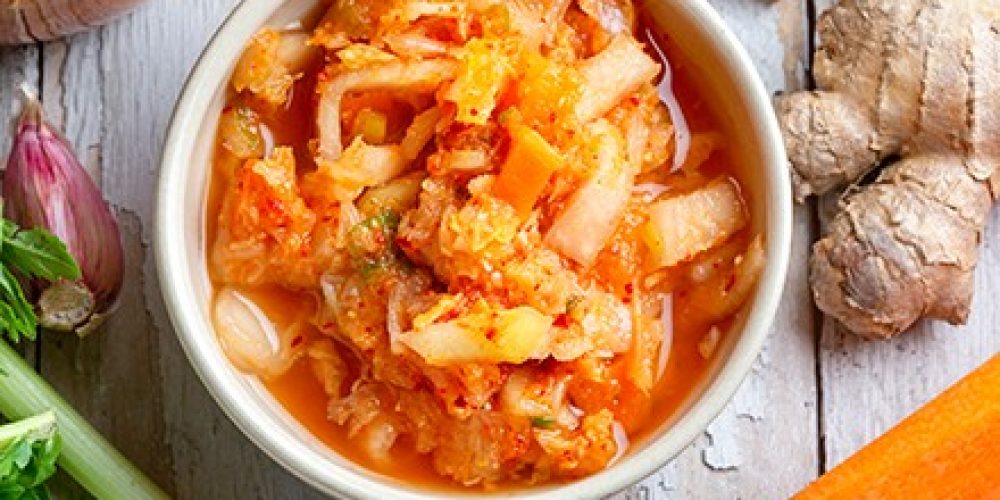
Researchers suggest that eating kimchi every day may help regulate the immune system within three months. A recent clinical study explored how fermented foods rich in probiotics influence immune responses. The findings highlight growing interest in diet-based approaches to immune health, especially as chronic inflammation and immune imbalance become more common worldwide.
Kimchi contains beneficial bacteria created during fermentation, including various Lactobacillus strains. These microbes support gut health, which plays a central role in immune regulation. Scientists increasingly link the gut microbiome to how the body responds to infections, inflammation, and autoimmune conditions. This study adds human trial data to support those connections.
The research followed healthy adults who consumed kimchi daily for 12 weeks. Participants ate controlled servings as part of their regular diets. Researchers monitored immune markers in blood samples, focusing on inflammation levels and immune cell activity. The results showed measurable shifts toward a more balanced immune response over time.
One key finding involved reduced markers linked to chronic inflammation. Elevated inflammation often contributes to heart disease, metabolic disorders, and weakened immunity. By lowering these markers, regular kimchi intake may help the immune system respond effectively without staying in a constant inflammatory state, which can harm long-term health.
The study also observed changes in gut bacteria diversity. Participants showed increased populations of beneficial microbes after the trial period. Greater microbial diversity often signals a healthier gut environment. A balanced microbiome supports immune cells that distinguish between harmful threats and harmless stimuli, reducing unnecessary immune reactions.
Researchers emphasized that the benefits appeared gradually. Short-term intake did not deliver immediate immune changes. Consistency mattered most, with improvements emerging after several weeks. This finding reinforces the idea that dietary habits influence health over time rather than acting as quick fixes or replacements for medical treatment.
Experts caution that kimchi alone cannot prevent illness or replace a balanced diet. Sodium levels in some kimchi varieties may pose concerns for people with high blood pressure. Moderation and mindful choices remain essential. Homemade or low-sodium options may help reduce potential risks while preserving probiotic benefits.
The findings support broader evidence linking fermented foods to immune health. Yogurt, kefir, sauerkraut, and miso also contain probiotics that may support gut balance. Researchers encourage further studies involving larger and more diverse populations to understand how different fermented foods affect immune function across age groups.
More News: Nutrition Experts Reveal Fiber as the Missing Key to Sustainable Weight Loss
As interest in natural immune support grows, this study offers practical insight. Adding kimchi to meals may serve as a simple dietary strategy to support immune regulation. However, experts advise pairing probiotic foods with fiber-rich vegetables, lean proteins, and healthy fats for lasting benefits.