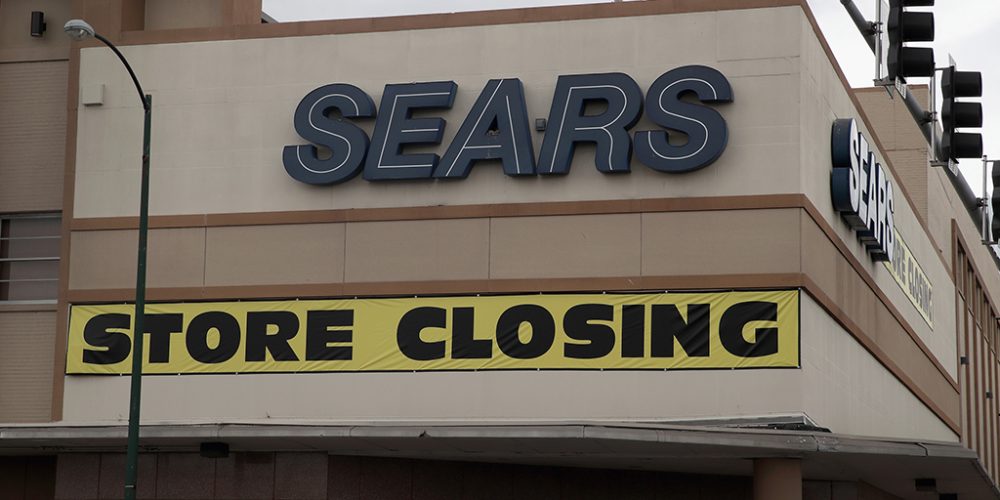
The fall of Sears remains one of the most controversial chapters in American retail history, and a new investigative report by the New York Times has shed fresh light on the maneuvers of its former CEO, Edward Lampert.
The article explores the intricate financial engineering that critics claim allowed Lampert to enrich himself and his hedge fund, ESL Investments, even as the iconic retailer spiraled into insolvency. At the heart of the narrative is Seritage Growth Properties, the real estate investment trust (REIT) created to hold Sears’ most valuable physical assets.
The report details how Lampert allegedly orchestrated the transfer of hundreds of Sears and Kmart properties to Seritage in 2015. This move effectively separated the company’s real estate value from its retail operations. While Sears struggled to pay its bills and modernize its deteriorating stores, it was simultaneously forced to pay staggering rent amounts to Seritage—a company where Lampert held a massive stake. Critics argue that this arrangement created a “vampire” dynamic, where the REIT drained the retailer’s remaining cash flow until its bankruptcy filing in 2018.
Lampert has long defended his actions, claiming he provided billions in liquidity to keep Sears afloat when no one else would. However, the NYT investigation highlights that much of this “lifeline” funding came in the form of high-interest secured debt. This positioned Lampert’s hedge fund at the front of the line during bankruptcy proceedings, allowing him to reclaim assets while suppliers, employees, and pension holders faced significant losses. The article paints a picture of a billionaire utilizing “Ayn Rand-inspired” management theories that ultimately prioritized individual business unit profits over the collective survival of the brand.
England Ends 15-Year Drought at MCG with Thrilling Two-Day Ashes Victory Over Australia
The implications of these maneuvers have left a lasting scar on the American high street. Thousands of jobs were lost, and once-vibrant shopping centers were left hollowed out. While the 2022 settlement of a $175 million lawsuit brought some closure to the legal battles involving asset-stripping allegations, the new report suggests the true scale of the value transfer was far greater. It highlights that while Sears has all but vanished, the real estate spun off into Seritage continues to be a focal point for redevelopment and high-stakes financial speculation.
The story serves as a cautionary tale for the modern era of private equity and hedge fund involvement in legacy retail. It raises fundamental questions about corporate governance and the ethical responsibilities of majority shareholders. As Lampert continues to manage the remaining vestiges of the company under Transformco, the public and legal scrutiny of his “Sears experiment” shows no signs of fading. The NYT report concludes that while the retail giant may be dead, the debate over who truly profited from its demise is very much alive.