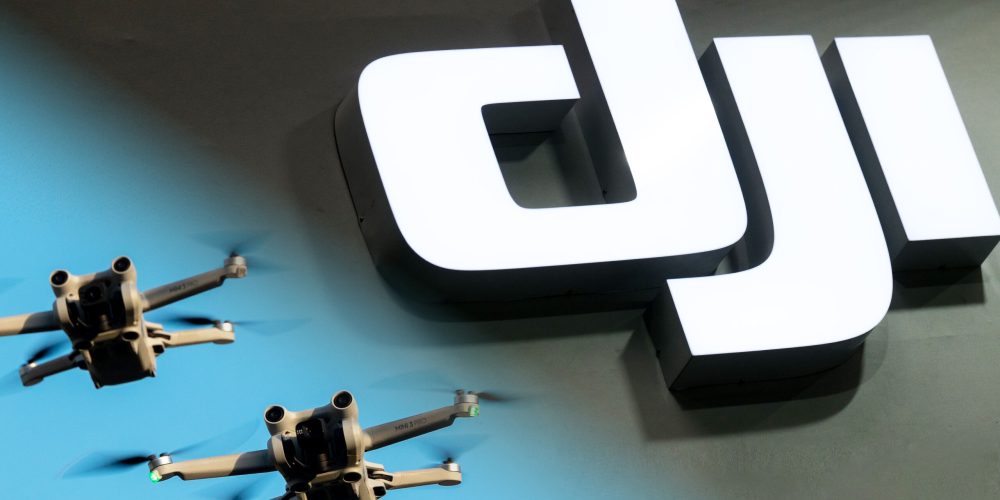
The Federal Communications Commission recently introduced a significant policy shift that effectively blocks the entry of new foreign-made drones into the United States. Following a comprehensive national security review, federal officials added foreign-manufactured unmanned aircraft systems and their critical components to the government’s Covered List. This decision primarily targets dominant market players from China, such as DJI and Autel Robotics, while raising broader concerns about the global supply chain for drone technology.
Government agencies justified the move by citing unacceptable risks to national security and the safety of American citizens. The interagency review highlighted fears regarding unauthorized surveillance, data exfiltration, and potential vulnerabilities in critical infrastructure. Officials emphasized that the ban is necessary to protect sensitive domestic data and bolster the American drone industrial base. The decision aligns with the 2025 National Defense Authorization Act, which mandated a thorough assessment of foreign drone threats by late December.
DJI, which currently holds a massive share of the American commercial drone market, expressed deep disappointment with the ruling. The company argued that the restrictions are based on protectionist motives rather than concrete evidence of security flaws. Despite these protests, the new rules prevent any future drone models or replacement parts from receiving the necessary FCC authorizations for sale or import. This creates a significant hurdle for an industry that has become reliant on affordable, high-performance technology from overseas.
Fortunately for current owners, the new restrictions do not ground existing fleets. Pilots can continue to operate drones they already own, and retailers are permitted to sell models that received authorization before the December deadline. However, the long-term outlook for the American drone community remains uncertain. Nearly 500,000 registered pilots use these tools for essential tasks like agricultural mapping, utility inspections, and search-and-rescue missions. Many fear that domestic alternatives currently lack the same level of sophistication and affordability.
The ban is also tied to broader preparations for upcoming high-profile events, including the 2026 FIFA World Cup and the 2028 Summer Olympics. Security officials believe that securing American airspace requires a transition toward domestic manufacturing to mitigate the risk of hostile foreign interference. While the Department of Homeland Security can grant specific exemptions for certain components, the default stance has shifted toward exclusion. This historic move signals a permanent change in how the United States manages its aerial technology landscape.