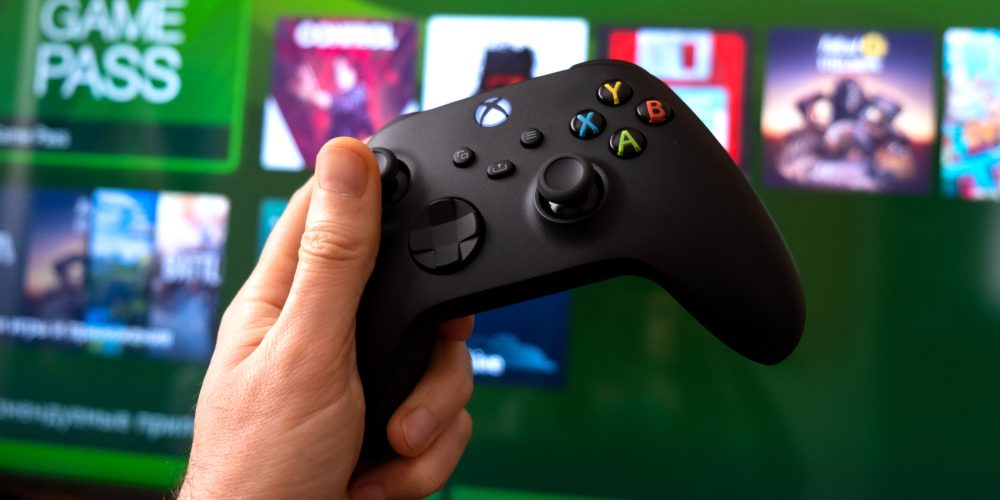
The video game console landscape in 2025 has shifted dramatically, with Xbox hardware trailing far behind its rivals as PlayStation and Nintendo maintain stronger consumer demand. Xbox Series X and Series S sales have plunged sharply this year, underscoring a broader industry slowdown and signaling a strategic pivot by Microsoft toward services and multiplatform gaming rather than traditional hardware competition.
Market tracking data shows Xbox console sales collapsing in late 2025, with some reports indicating a year-over-year drop of up to 70% in key months. By contrast, Sony’s PlayStation 5 and Nintendo’s newly launched Switch 2 continued to capture the majority of consumer interest and revenue in hardware sales. PlayStation remains especially competitive in unit sales, while Nintendo’s family-friendly hybrid console has maintained robust demand despite overall market decline.
Industry analysts link Xbox’s steep decline in part to price increases. Microsoft raised retail prices on Xbox Series models and accessories earlier in the year, citing market conditions and higher development costs. Meanwhile, fewer must-have exclusive titles and expanded availability of Xbox games on other platforms have blurred the lines that once defined the hardware battle.
Microsoft’s shift toward subscription services such as Game Pass and cloud gaming reflects a broader recalibration of priorities. Rather than focusing on selling physical consoles, Xbox aims to grow its presence through digital content and cross-platform accessibility. Executives have openly acknowledged that the company’s business model is no longer centered on winning hardware share but on expanding its ecosystem across PCs and other devices.
This strategic change is visible in how Xbox releases games. Titles that were once console exclusives are increasingly reaching PlayStation and Nintendo platforms, while flagship franchises like Halo and Gears of War move toward multiplatform launches. Some industry observers see this as a signal that Microsoft is embracing a more service-oriented future rather than direct competition with Sony and Nintendo hardware.
By contrast, Sony continues to invest in high-profile exclusive games for the PS5 while maintaining hardware dominance. PlayStation’s strategy prioritizes immersive, AAA titles that reinforce the console’s appeal, often before they arrive on PC. Nintendo’s approach remains distinct, focusing on unique gameplay experiences, first-party titles, and broad appeal across demographics.
Overall, the console market in 2025 has been marked by falling hardware sales across the board. Rising prices and broader economic pressures have dampened demand during a period that historically sees strong holiday sales. With U.S. hardware spending hitting multi-decade lows in November, many industry watchers view the downturn as a shake-up of old competitive dynamics rather than a simple slump.
For Xbox, the challenge lies in defining its role in a market that no longer rewards traditional “console wars.” A decade ago, success meant outselling rivals on store shelves. Today, gaming success is measured by digital subscriptions, cross-platform reach, and service revenue. Microsoft’s Game Pass now includes tens of millions of subscribers, many on non-Xbox hardware, suggesting the company’s influence remains significant even as console sales lag.
Looking ahead, Microsoft is expected to continue investing in services and content, betting that the future of gaming depends less on hardware sales and more on long-term engagement. Whether this approach can sustain Xbox’s relevance in an evolving gaming ecosystem remains a key question for industry observers and fans alike.