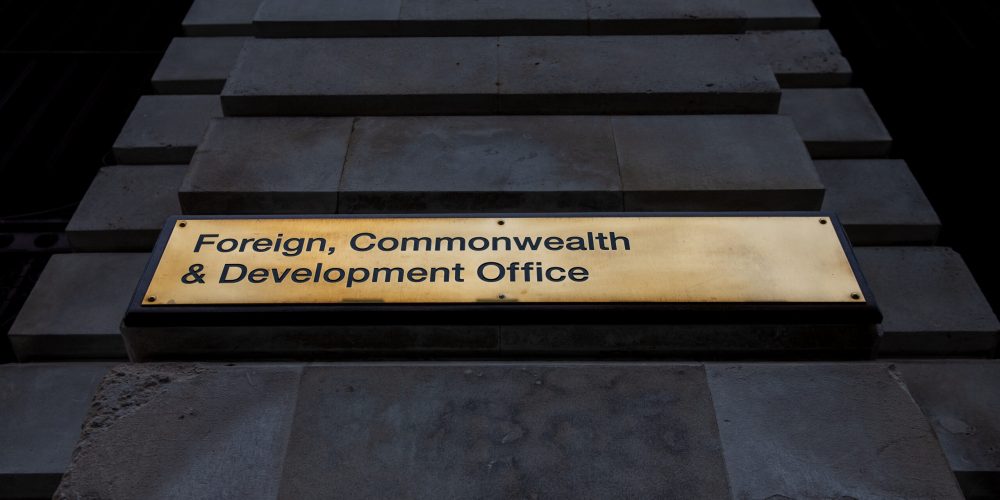
The UK Foreign Office has confirmed it was targeted in a cyber attack earlier this year, adding to growing concerns about the vulnerability of government departments to digital threats. The breach, which occurred in October, prompted an internal investigation and renewed scrutiny of how sensitive state information is protected in an increasingly hostile cyber environment.
Officials said the attack was detected and contained, and there is currently no public evidence that classified systems or critical national security data were compromised. However, the incident has highlighted how even well-resourced government institutions remain exposed to sophisticated cyber tactics used by criminal groups and hostile state actors.
Cybersecurity experts note that attacks on foreign ministries are especially attractive targets. These departments handle diplomatic communications, travel data, and sensitive policy discussions that can be valuable for espionage or political leverage. Even limited access to internal systems can provide attackers with intelligence insights or pathways for future operations.
The Foreign Office has not publicly attributed the attack to any specific group or country. This cautious approach reflects standard practice in cyber incidents, where attribution is complex and often politically sensitive. Officials emphasised that investigations are ongoing and that security agencies are working closely with technical teams to understand how the breach occurred.
This incident comes at a time when cyber threats against public institutions are rising across Europe. Governments face a steady increase in phishing campaigns, ransomware attempts, and network intrusions aimed at disrupting operations or extracting sensitive data. Many attacks exploit human error, outdated software, or weaknesses in supply chains rather than direct assaults on highly secured core systems.
In response, the UK government has continued to invest in cyber resilience, including staff training, system upgrades, and closer coordination with national cybersecurity agencies. The Foreign Office said it regularly reviews its digital defences and updates protocols to reflect emerging risks. Still, experts argue that no system can ever be fully secure, particularly when attackers constantly adapt their methods.
The October breach also raises broader questions about transparency and public trust. While officials insist the impact was limited, cybersecurity specialists often warn that early disclosures may not capture the full scope of an attack. In many cases, investigations take months to determine whether data was accessed or copied before intruders were removed.
Opposition figures and policy analysts have called for clearer communication around cyber incidents affecting public bodies. They argue that timely and detailed updates can help build confidence that threats are being taken seriously and managed effectively. At the same time, governments must balance openness with the need to avoid revealing security details that could aid future attackers.
The Foreign Office cyber incident follows similar cases involving healthcare systems, local councils, and private companies in the UK. Together, these events underline how cyber security has become a central issue for national resilience, not just a technical concern for IT departments.
As diplomatic tensions, global conflicts, and digital espionage intensify, cyber attacks on government institutions are likely to remain a persistent risk. The October incident serves as another reminder that defending against cyber threats requires constant vigilance, sustained investment, and cooperation between government, industry, and security experts.