The Biden-era Diversity Visa lottery that offers up to 50,000 annual U.S. green cards has been suspended by the Trump administration, a move sparked by a high-profile mass shooting that shook two elite universities. Homeland Security Secretary Kristi Noem announced the pause on Thursday, saying the lottery programme allowed the suspect in the Brown University and MIT attacks to enter and later settle in the United States — a decision that is likely to stir legal and political debate.
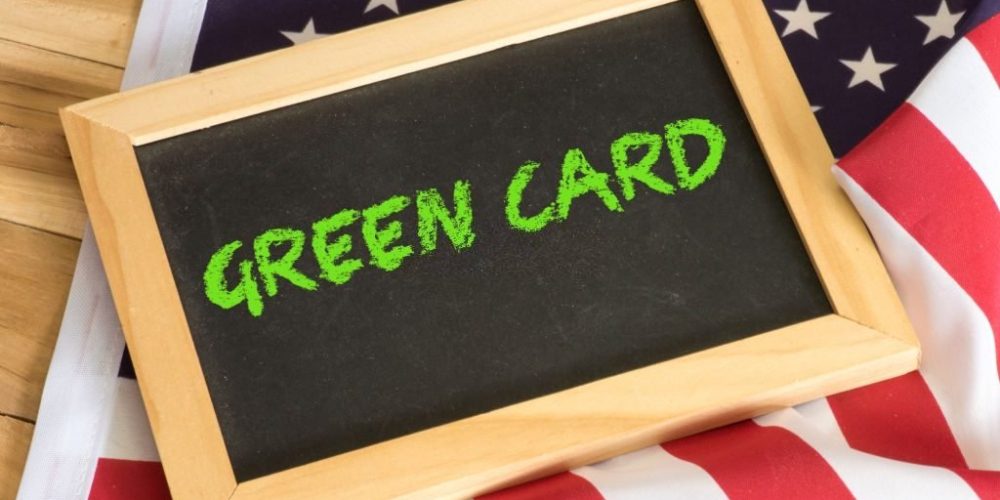
The Diversity Immigrant Visa (DV) lottery, sometimes called the green card lottery, aims to broaden immigration diversity by granting permanent residency to people from countries with historically low immigration rates to the U.S. Nearly 20 million people applied for the 2025 lottery cycle, and about 131,000 entries — including spouses — were selected before final interviews and vetting. Winners are still subject to extensive background checks before entry.
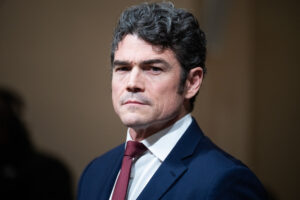
Secretary Noem, speaking on the social platform X, said the action follows the identification of the suspected shooter, 48-year-old Portuguese national Claudio Neves Valente, as a DV programme beneficiary. Valente allegedly carried out a mass shooting at Brown University in Providence, Rhode Island, killing two students and wounding others. He was also suspected in the fatal shooting of a professor at the Massachusetts Institute of Technology. Authorities later found his body from an apparent self-inflicted gunshot wound.
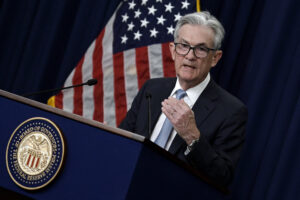
“Individuals who carry out such heinous acts should not be allowed in our country,” Noem said, framing the suspension as a matter of national security. The directive orders U.S. Citizenship and Immigration Services (USCIS) to immediately pause processing new applications for the DV lottery. Government officials emphasized that this suspension is distinct from other immigration pathways and is meant to stop further yellow-card visa grants under the lottery system.
The policy shift comes amid a broader Trump-led immigration crackdown. Earlier this year, the administration moved to impose stricter restrictions on immigration from several countries following a separate attack linked to an Afghan national. These changes included raising visa fees and tightening vetting procedures. Advocates of the suspension argue that limiting legal immigration routes will enhance national security, especially in the wake of high-impact incidents such as the Brown and MIT shootings.
Republican lawmakers and conservative activists have long criticised the DV lottery, arguing it provides a legal pathway that is too random and insufficiently tied to skills or economic needs. Trump himself has opposed the programme for years, calling instead for merit-based systems. Supporters of revamped immigration rules view the suspension as a step toward recalibrating U.S. immigration policy to prioritise security and economic utility.
However, legal experts predict that halting the Diversity Visa lottery will face immediate legal challenges. The programme was created by Congress, and its backing stems from longstanding immigration law. Opponents argue that a presidential suspension of a legislated visa category may exceed executive authority and could be overturned in courts. Immigration lawyers also stress that lottery winners already undergo thorough vetting, similar to other green card applicants.
Civil rights groups warn the suspension could disproportionately affect applicants from underrepresented regions, particularly across Africa and parts of Asia. For many hopeful immigrants, the DV lottery represents one of the few realistic routes to U.S. permanent residency. Those groups fear the pause could ripple across communities that rely on the programme for family reunification and new opportunities.
As the administration enforces the pause, lawmakers, advocacy organisations, and legal advocates will closely watch whether the policy endures through court scrutiny. For now, the suspension marks one of the most dramatic shifts in U.S. immigration policy tied directly to a single criminal incident, underscoring the fraught intersection of public safety concerns and immigration reform.