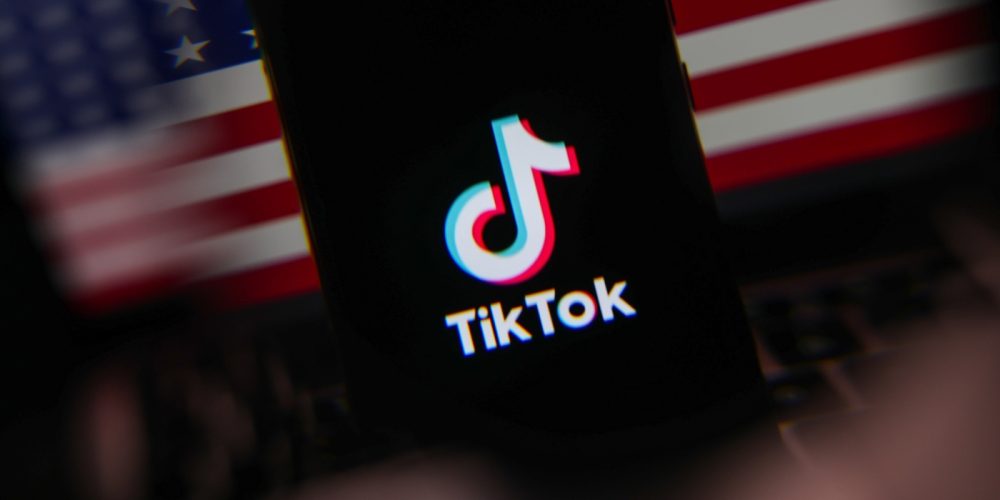
TikTok’s rise from a trendy video app to a central issue in U.S. tech and national security debates illustrates how digital platforms can become geopolitical flashpoints. The short-form video service, owned by China’s ByteDance, became one of the most widely used apps worldwide soon after its global rollout. But growing fears over data privacy and foreign influence pushed its journey into the political arena, especially in Washington.
Launched in 2017 after ByteDance acquired Musical.ly, TikTok quickly won over millions of users with its personalized content feed and easy-to-use creation tools. By the mid-2020s, it had amassed more than 170 million U.S. users, setting records for engagement and cultural impact. Its algorithm — tailored to individual tastes — became a source of fascination and concern in equal measure.
Concerns about TikTok’s ties to China intensified as national security debates escalated. U.S. lawmakers and officials worried that the Chinese government could exploit TikTok’s vast data troves or influence its recommendation systems for political purposes. These worries were rooted in broader anxieties about foreign access to user information and digital influence operations. Governments in other countries, including India, also took action against TikTok over similar security and data privacy concerns.
Under President Donald Trump’s first administration, the U.S. took decisive steps to restrict TikTok’s operations. In 2020, Trump issued executive orders aiming to ban the app unless ByteDance divested its U.S. arm. Legal challenges followed, with courts blocking enforcement of the ban and delaying immediate action. These early efforts foreshadowed years of regulatory tug-of-war over the platform’s future.
The debate reached a new peak in late 2024 and early 2025 when Congress passed a law requiring TikTok to divest its U.S. operations or face a ban. The U.S. Supreme Court upheld that law, rejecting TikTok’s constitutional challenge and making clear that national security concerns trumped First Amendment claims. This decision set a hard deadline for ByteDance to find American ownership or risk losing access to the U.S. market.
TikTok briefly went dark in the U.S. in early 2025 after that deadline passed, causing widespread disruption for users, creators, and advertisers. That shutdown highlighted how deeply embedded the platform had become in American digital life. But it also opened the door to political negotiations and a potential compromise. President Trump, now in office again, expressed willingness to extend deadlines and push for a divestiture deal that would allow TikTok to continue operating.
By mid-September 2025, officials from the U.S. and China announced a framework agreement to transition TikTok’s American assets to U.S. ownership. Discussions between Trump and Chinese President Xi Jinping signaled progress toward resolving the dispute. The framework would see ByteDance reduce its stake and U.S. investors take control of the platform’s U.S. operations, though details — especially around the algorithm and data handling — were still being negotiated.
The TikTok saga reflects broader tensions in global technology governance. It underscores how digital platforms can become battlegrounds for national security, privacy rights, and international diplomacy. For TikTok users and the tech industry alike, the outcome could reshape how foreign-owned apps operate in the U.S. and influence future policy on data protection and tech sovereignty.