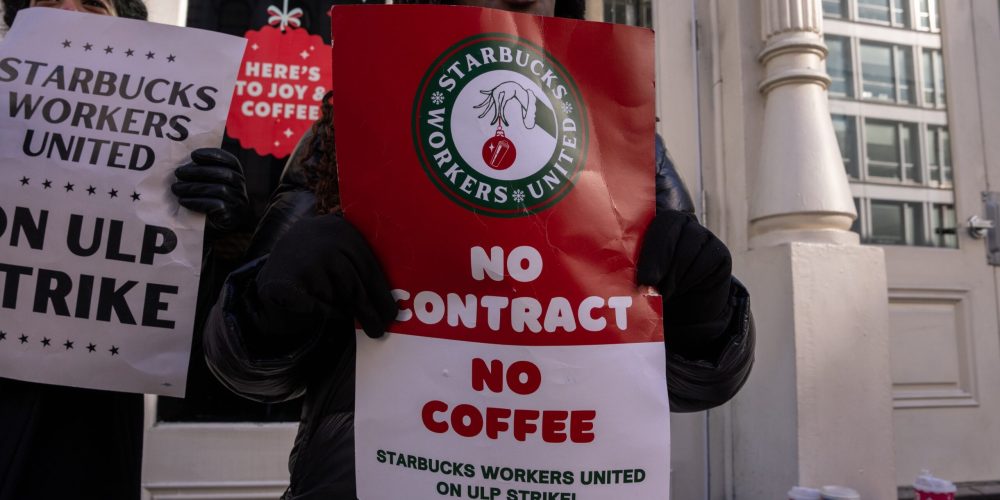
The ongoing, month-long strike by Starbucks Workers United escalated dramatically this week. Hundreds of new union baristas walked off the job across 34 additional cities, pushing the nationwide action to record levels. The work stoppage began on November 13, coinciding with the company’s busy Red Cup Day promotion. It now includes over 180 stores spanning more than 130 cities. This makes it the longest strike in the coffee giant’s history.
The union represents over 11,000 baristas at more than 550 unionized U.S. stores. Despite significant organizing success over the last four years, not a single unionized store has finalized a labor contract. The current strike is a clear protest against the company’s alleged union-busting activities and its failure to negotiate a fair agreement.
Workers maintain three core demands. They seek higher take-home pay to address rising costs of living. They also demand more reliable hours to combat chronic under staffing. Finally, the union requires resolution for hundreds of unresolved unfair labor practice charges. Baristas describe a highly pressured workplace environment. They cite unpredictable scheduling and overwork due to insufficient staffing. These conditions make it challenging for them to maintain stable personal lives or qualify for benefits.
Contract talks between the union and Starbucks have stalled since April. The union rejected an earlier proposal from the company which included minimal annual raises. Union leaders claim meeting their economic demands would cost Starbucks a relatively small amount compared to the company’s vast sales or the high compensation of its top executives.
Starbucks, for its part, contests the strike’s impact. A company spokesperson stated that fewer than one percent of its approximately 17,000 U.S. stores were affected. They noted that most affected stores remain open, often staffed by managers or non-union workers from nearby locations. The company insists it is ready to resume negotiations when the union is prepared to return to the bargaining table. Starbucks also highlights its half-billion-dollar investment in improving staffing and partner benefits.
This expanding labor conflict occurs against a backdrop of legal challenges for Starbucks. The company recently agreed to a landmark settlement in New York City. The agreement requires Starbucks to pay nearly $39 million to city workers. This settlement resolved claims that the company violated local laws by denying thousands of workers predictable and stable schedules. The union views this settlement as evidence supporting its claims regarding poor working conditions and scheduling issues nationwide.
Union leaders are now leveraging an escalation strategy similar to the United Auto Workers’ “Stand Up” strike model. They gradually add stores to the walkout to increase pressure. Strikers are urging customers and allies to boycott all Starbucks locations, including refraining from purchasing gift cards or holiday merchandise. The clear message from baristas and their supporters remains: “No Contract, No Coffee.” The escalating action signals a critical juncture for both the union movement and the future employment practices within the service industry.