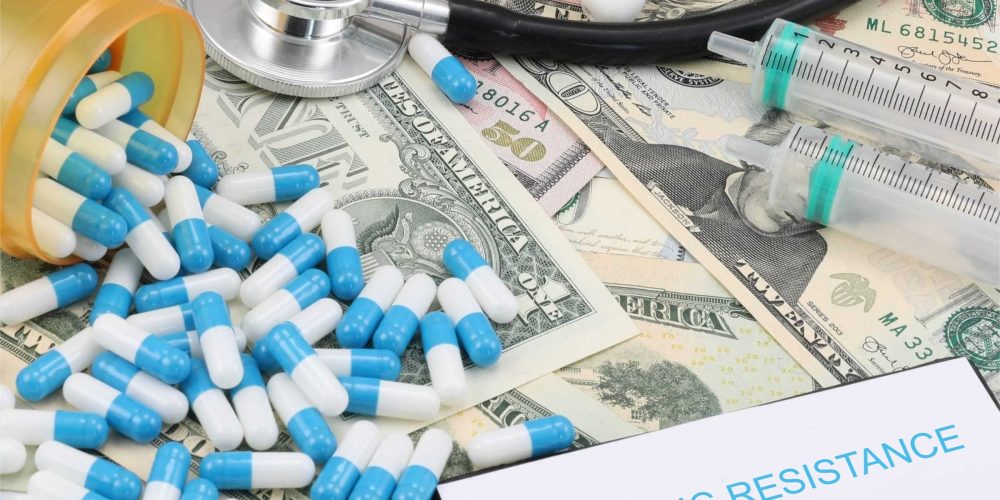
The World Health Organization (WHO) and the European Commission’s Health Emergency Preparedness Authority (HERA) have strengthened their partnership to take on one of the world’s fastest-escalating health threats: antimicrobial resistance (AMR). Through a new €3.5 million agreement under the EU4Health programme, both organizations aim to speed up research, ensure access to effective treatments, and improve global preparedness.
Funding Boost to Accelerate Antibiotic and Antifungal Innovation
The newly signed agreement will allow WHO to expand critical research and development efforts. The focus includes discovering new antibiotics, developing antifungal treatments, and advancing non-traditional options like bacteriophages — viruses that target harmful bacteria. These innovations are becoming essential as drug-resistant infections continue to outpace the development of effective medicines.
SECURE Initiative Gains Strength to Improve Global Access
A key part of the expanded partnership is the enhancement of SECURE, a global programme co-led by WHO and the Global Antibiotic Research & Development Partnership (GARDP). SECURE aims to improve access to new and existing antibiotics, particularly in countries where shortages and high costs limit availability. Strengthening this initiative is expected to help close major gaps in treatment access across low- and middle-income nations.
WHO Warns of Rising Threat as Resistance Surges Worldwide
Dr. Yvan Hutin, WHO’s Director of Antimicrobial Resistance, emphasized the urgency of the situation. He noted that AMR threatens global health and security, and welcomed the renewed EU support to accelerate action. Increasing resistance means many common treatments are becoming ineffective, putting more lives at risk from infections that were once easily treatable.
Partnership Builds on Progress Since 2022
The collaboration between WHO and HERA began in 2022 with a focus on developing new medical countermeasures and ensuring that innovations reach all countries equitably. Since then, the partnership has supported the development of antibiotics targeting high-risk drug-resistant bacteria.
With HERA’s funding, WHO has updated its Bacterial Priority Pathogens List (BPPL) and advanced work on the Fungal Priority Pathogens List (FPPL). These lists guide global R&D by identifying the pathogens most urgently needing new treatments.
Advances in Pipeline Assessments and Pediatric Antibiotic Formulations
WHO has also conducted a range of R&D pipeline assessments, reviewing innovations in antibacterial and antifungal drugs as well as diagnostics. The organization is working to streamline approvals for essential pediatric antibiotic formulations — a critical area, as children are especially vulnerable to resistant infections.
New Guidance to Tackle Antibiotic Shortages and Strengthen National Policies
Through global consultations and technical guidance, WHO is helping countries introduce new antibiotics responsibly and address widespread antibiotic shortages. This includes regulatory and policy recommendations aimed at preventing supply disruptions, improving stewardship, and ensuring appropriate use.
A Broader Foundation for Future Global Action
The expanded partnership not only strengthens awareness of AMR but also lays a stronger foundation for R&D priority-setting and equitable access to treatments. As AMR continues to threaten health systems worldwide, the joint work of WHO and the European Commission offers renewed hope for slowing the crisis and protecting future generations.