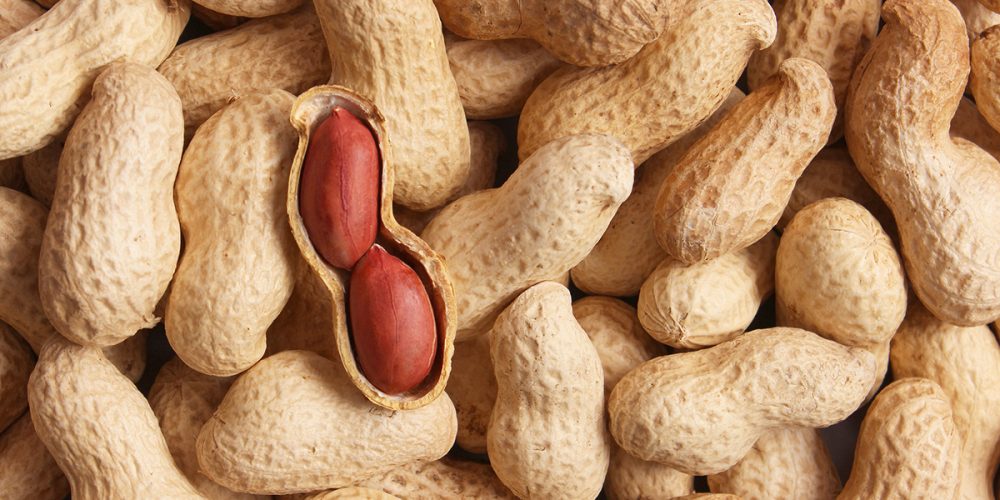
New research suggests a simple dietary change can significantly benefit brain health. Adding a small, daily portion of peanuts may enhance memory and vascular function in older adults. Scientists from the Netherlands conducted a robust study exploring this common snack. Their findings point to peanuts as a powerful, affordable food for supporting cognitive longevity.
The study centered on 31 healthy adults. All participants ranged in age from 60 to 75 years old. Researchers used a randomized, controlled crossover trial design. This design is one of the strongest methods in clinical research. For a 16-week period, the participants consumed a daily measure of peanuts. The scientists used unsalted, skin-roasted peanuts for the intervention. The daily dose equaled 60 grams, or approximately two servings.
After the peanut phase concluded, the subjects underwent extensive brain testing. Advanced MRI techniques measured blood flow in the brain. Adequate blood flow is crucial for delivering oxygen and nutrients. Impaired vascular function can contribute to age-related cognitive decline. The results showed a significant improvement in this vital process.
Overall cerebral blood flow increased by 3.6 percent compared to the control period. Blood flow in the brain’s gray matter also saw a boost of 4.5 percent. These improvements indicate a global enhancement in brain vascular function. The study also highlighted regional benefits. Blood flow to the frontal lobes increased by 6.6 percent. Similarly, the temporal lobes saw a 4.9 percent increase. These specific brain areas handle memory and complex cognitive functions.
The physiological changes translated directly into better performance. Participants showed measurable gains in verbal memory. Their ability to recall words improved by 5.8 percent during the peanut consumption phase. This suggests better blood flow directly supports key thinking and memory abilities. Researchers believe the vascular changes explain the memory improvements they observed.
Peanuts contain essential compounds driving these benefits. They are particularly rich in L-arginine, an important amino acid. The body uses L-arginine to produce nitric oxide. Nitric oxide helps relax blood vessels and manage healthy blood flow. Peanuts also contain large amounts of healthy unsaturated fats. Furthermore, they provide polyphenols and antioxidants.
The research specifically used skin-roasted peanuts for good reason. The skin contains extra antioxidants and dietary fiber. These natural compounds offer additional support for vascular health. The nutrients work synergistically to enhance the brain’s circulation system.
The health benefits extended beyond the brain. The study also recorded cardiovascular improvements. Participants experienced a small but significant drop in systolic blood pressure. This blood pressure reduction is important for lowering stroke and heart disease risk. Experts noted the need for more large-scale, long-term research. However, these initial findings strongly support incorporating daily peanuts into a health-conscious diet. The simple snack may offer a practical defense against age-related cognitive changes.