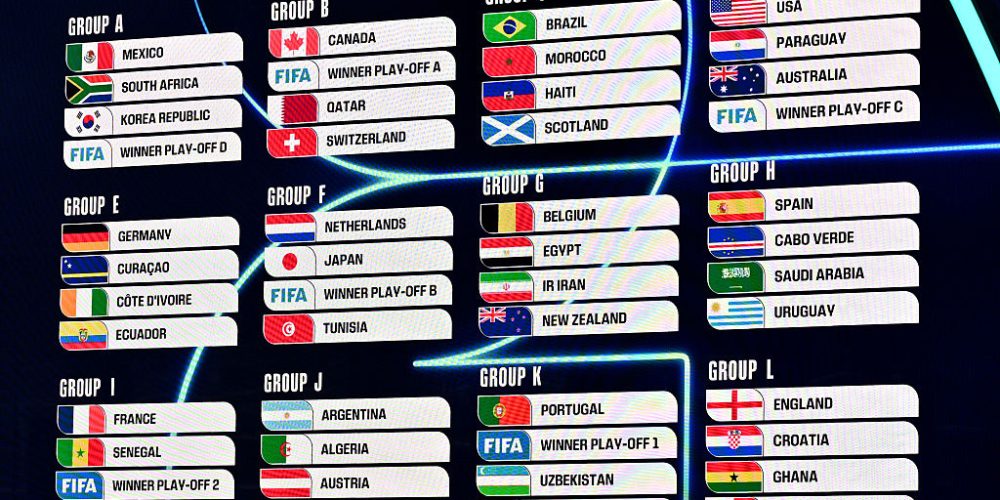
The official draw for the 2026 FIFA World Cup has concluded, setting the stage for the largest tournament in soccer history. Sixty-four nations discovered their initial paths across the three host countries: the United States, Mexico, and Canada. The draw immediately created several “Groups of Death,” sparking intense debate among fans and analysts.
The tournament format itself marks a significant change. This will be the first World Cup to feature 64 participating nations. The competition will begin with an expanded group stage. This stage includes 16 groups, each containing four teams. The top two teams from every group will advance to the new Round of 32. This format guarantees more matches and a longer tournament schedule.
The host nation, the United States, faces a challenging road in Group A. The US Men’s National Team will contend with tough European and South American opponents. Analysts immediately labeled this group a major hurdle for the Americans. The US must secure early victories to build momentum and avoid elimination on home soil. Their performance will be scrutinized, as co-hosts traditionally carry heavy expectations.
FIFA Unveils Complex 2026 World Cup Draw Rules for Expanded 48-Team Field
In contrast, England received what appears to be a significantly more favorable draw in Group C. The Three Lions avoided many of the highest-ranked teams in the draw pots. Manager Gareth Southgate’s side will be heavily favored to finish first in their group. Their primary challenge will be to maintain consistency across the group stage matches. This draw provides a smoother path to the knockout rounds, easing early pressure on the squad.
Group F quickly earned the title of the most fiercely competitive section. It features four teams ranked closely together. Each team has genuine potential to top the group or finish last. The level of unpredictability ensures Group F matches will be intense, must-watch contests for global audiences. The outcomes here could significantly impact the entire knockout bracket.
Defending champions Argentina were placed into Group H. They drew familiar regional rivals but avoided any immediate giants. Manager Lionel Scaloni will feel confident in securing advancement. However, every World Cup provides early surprises. The focus remains on whether veteran stars can maintain their form through the expanded schedule.
The draw proceedings were conducted in a highly publicized ceremony. Coaches, team representatives, and football legends from around the world attended the event. The structure of the draw was designed to spread geographic diversity. This ensures no group contains more than two European teams or more than one team from any other continent. The final matches of the group stage will now determine whether established powers or underdogs thrive in the new format. The road to the final is now officially set.