Global currency markets shifted sharply on Thursday as the U.S. dollar weakened, driven by growing expectations that the Federal Reserve may begin cutting interest rates soon. At the same time, the euro surged to a seven-week high, reflecting renewed investor appetite for the single currency.
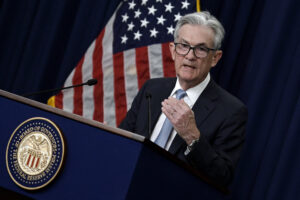
Traders adjusted their strategies after economic data in the U.S. showed signs of cooling inflation and sluggish growth — signals that suggest the Fed may lower borrowing costs in upcoming months. As a result, demand for the dollar dropped. That decline reflected both reduced confidence in dollar-denominated yields and an appetite for risk that pushed investors toward other currencies.
The euro, benefiting from those trends and optimism around economic stabilization in the eurozone, climbed sharply. Market watchers interpreted the move as a vote of confidence in European economic resilience. Other major currencies, including the British pound and the Japanese yen, also showed relative strength versus the dollar, adding momentum to a broader shift in foreign exchange markets.
The drop in the dollar has ripple effects across global trade and investment. For one, imports to the U.S. may become more expensive, because foreign suppliers will receive stronger foreign currencies relative to the dollar. Emerging markets that import dollar-priced commodities could see inflationary pressure. On the flip side, dollar-denominated debt for foreign borrowers becomes cheaper to service, offering relief in some quarter.
Commodity markets could also react to the currency shift. Metals and oil are often priced in dollars; a weaker dollar can make those assets more attractive to overseas buyers, potentially pushing up demand and prices. Industries tied closely to raw materials may thus feel an indirect lift if the trend holds.
For global investors, the environment calls for greater caution and flexibility. Currency volatility might affect earnings, especially for multinationals with significant overseas revenue. Companies need to hedge currency exposure to guard against exchange-rate swings, particularly if the dollar remains soft for an extended period.
Analysts note that much depends on upcoming economic data and central-bank signals. If the Fed follows through with rate cuts, and if the eurozone avoids major economic disruptions, the dollar’s slide could continue. However, unexpected inflation surprises or geopolitical instability could reverse the trend rapidly — lifting the dollar or weakening the euro depending on the shock.
Still, for now, markets appear to favor continued loosening in U.S. monetary policy, fair stability in Europe, and rising investor risk tolerance. As traders reposition capital across currencies and assets, the pressure on the dollar grows — and the spotlight remains on the Fed’s next moves.
Given the complex interplay of economics, policy, and global trade, businesses and investors may need to prepare for a prolonged period of currency uncertainty. But for those who adapt smoothly, the changing landscape could offer new opportunities.