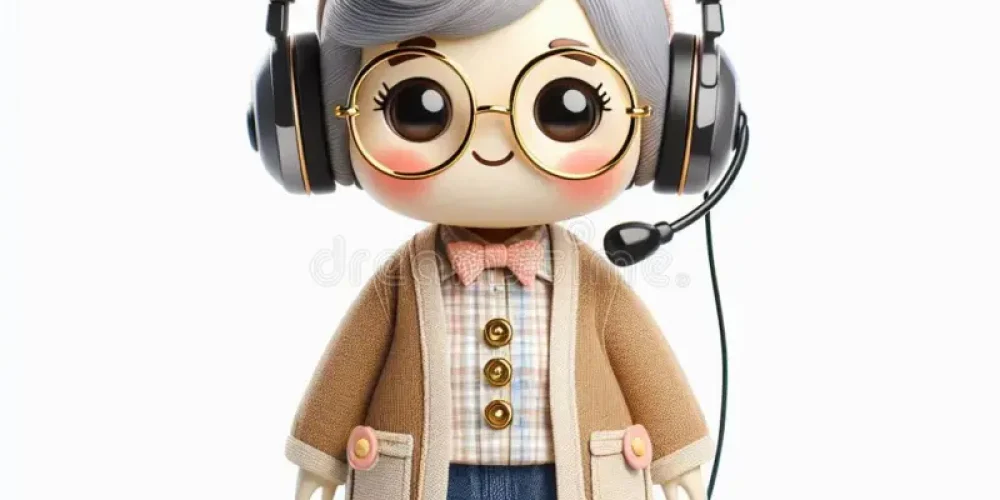
As populations in many Asian countries age rapidly, a new trend is emerging to help address loneliness and elder care shortages: “robo-grandma” dolls. These lifelike companion dolls are gaining popularity among older adults seeking comfort and emotional support in their later years.
Manufacturers design the dolls to resemble elderly women — complete with gentle voices, simple conversation scripts, and comforting gestures. They respond to touch and sound, sometimes even “breathing” slightly to enhance realism. For seniors who find themselves living alone or far from family, the dolls offer a sense of presence and companionship that many say helps ease anxiety, loneliness, and feelings of abandonment.
In countries like Japan, South Korea, and parts of China, demographic shifts have led to shrinking family networks. With fewer younger people available to care for aging relatives, many seniors now live alone. Cultural traditions historically emphasized family-based elder care, but changing economic and social dynamics — including urban migration and smaller households — have weakened those norms. Robo-grandma dolls have stepped into that gap, offering a low-cost substitute for human companionship.
Health experts note that while these dolls are not a substitute for human care or social interaction, they can play a supplementary role. For some users, interacting with a doll can trigger memories, provide comfort, and reduce inertia. In a few instances, older adults reported improved mood, reduced loneliness, and even better sleep. Care facilities have experimented with giving these dolls to residents to observe effects on emotional health and social engagement.
However, professionals also raise caution. Relying too heavily on lifelike dolls may encourage isolation instead of promoting real human connection. Without adequate social support, seniors might come to prefer interactions with a doll over people — potentially deepening loneliness in the long run. Critics argue that true well-being requires community, family, and meaningful relationships. There’s also concern the dolls may give false reassurance about care; emotional comfort doesn’t replace medical supervision, social services, or human empathy.
Still, advocates say robo-companions may provide a bridge for those with limited options. In rural or under-resourced regions, where elder care services and community programs can be scarce, having an affordable, accessible companion could help fight the more harmful effects of isolation. For families unable to provide daily care, these dolls may offer some relief — especially during long working hours or when relatives live abroad.
Manufacturers are now working to improve the dolls: adding interactive memory functions, light conversational AI, and responsive behavior that adapts to owners’ moods. Some companies hope to integrate health-monitoring sensors in future models, aiming to alert caregivers if users show signs of distress or illness.
More News : Robots Are Now Helping Create Human Babies — 20 Already Born
As Asia ages, the rising demand for innovative eldercare solutions may push robots and lifelike dolls from novelty into necessity. The “robo-grandma” trend reflects deeper demographic and social shifts. It highlights growing demand for emotional support and companionship when traditional care networks shrink. While not a cure for loneliness, these dolls may offer a temporary balm — a soft presence in the quiet hours.
How communities choose to support an aging population remains a complex challenge. If used thoughtfully and alongside broader social policies, robo-companions could become part of a broader toolkit to help the elderly maintain dignity, connection, and comfort.