Health authorities in Washington state have confirmed the first known human death linked to the H5N5 strain of bird flu, marking a significant moment in the ongoing global monitoring of avian influenza. The individual, who lived in Washington, passed away after testing positive for the virus. Officials stressed that the case appears to be isolated, and there is no evidence of human-to-human transmission at this stage.
According to state health agencies, the victim had direct exposure to sick birds before becoming ill. This connection is consistent with previous avian flu cases globally, where the virus typically spreads through close contact with infected poultry or contaminated environments. Officials emphasized that the risk to the general public remains low, but they are expanding surveillance to ensure no additional cases emerge.
The U.S. Centers for Disease Control and Prevention (CDC) confirmed the diagnosis using specialized testing. H5N5, while part of the wider family of highly pathogenic avian influenza strains, has rarely infected humans. Most bird flu cases involve strains such as H5N1 or H7N9, making this event an unusual development in global influenza tracking.
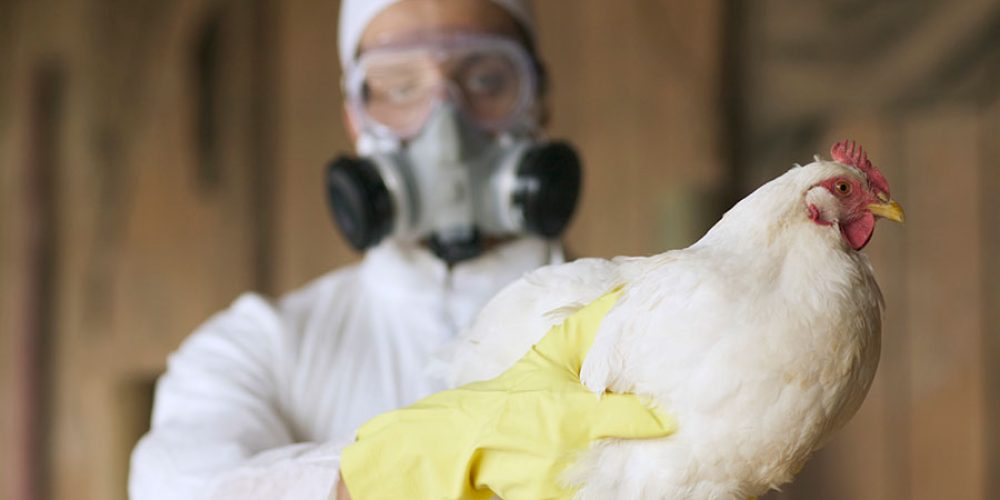
Following the confirmation, Washington’s Department of Health urged residents working with poultry, wild birds, or game farms to take extra precautions. This includes wearing protective gear, avoiding contact with sick animals, and reporting unusual bird deaths. Veterinarians and farmers have also been alerted to strengthen biosecurity measures.
Federal agencies are now collaborating with state authorities to investigate the source of the infection and assess whether the virus has spread within local bird populations. Wildlife officials are testing nearby flocks and monitoring migratory bird pathways, which often play a major role in the spread of avian influenza.
The CDC stated that, at this stage, the virus does not appear capable of efficient human transmission. Still, health experts warn that avian influenza viruses can evolve rapidly. Monitoring these mutations is essential to prevent broader outbreaks. The agency also reminded clinicians nationwide to report any severe respiratory illness in individuals with recent bird exposure.
The World Health Organization (WHO) noted that sporadic human infections with avian flu are expected, especially in regions where humans and birds interact closely. However, each new strain detected in humans provides important insight into the changing dynamics of viral evolution. WHO continues to work with U.S. authorities to track any developments.
This incident comes as several countries continue to battle outbreaks of different bird flu strains in both commercial and wild bird populations. While the global situation is being monitored closely, experts believe that better detection tools and stronger reporting systems allow for faster responses than in previous years.
As investigations continue, health officials remain focused on identifying how the individual contracted the virus, whether others may have been exposed, and what preventive measures can be strengthened. For now, the case underscores the ongoing need for vigilance as avian influenza continues to evolve and cross into new regions.
More News : The Hidden Financial Burden of Colon Cancer Is Crushing Patients Long Before Treatment Begins