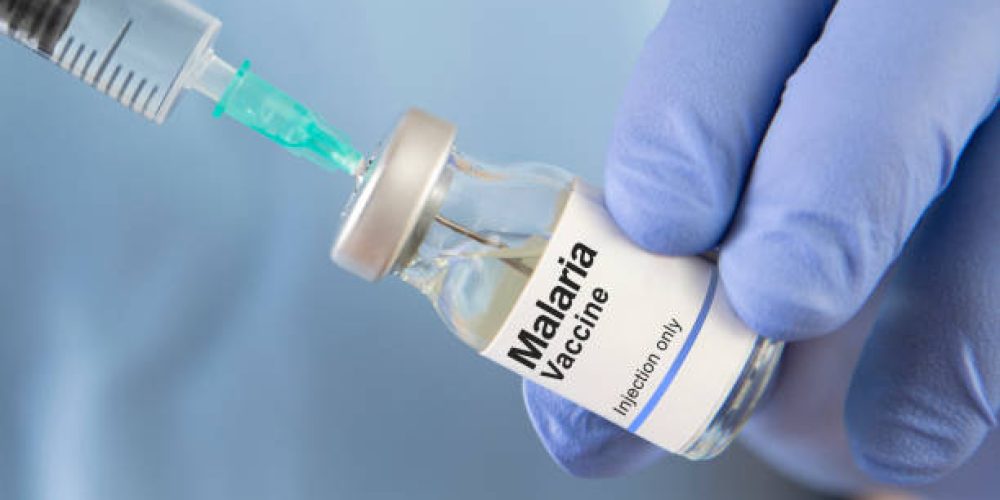
A new agreement between Gavi, the Vaccine Alliance, and UNICEF aims to lower the cost of malaria vaccines for low-income nations, marking a major step toward expanding access to one of the world’s most needed immunizations. The deal comes as malaria continues to claim hundreds of thousands of lives each year, with young children remaining the most vulnerable group.
Under the agreement, the organizations will secure vaccines at a significantly reduced price, allowing more countries across Africa and Asia to roll out broader immunization campaigns. The initiative focuses on two key malaria vaccines already approved for global use. Both vaccines offer strong protection against severe disease and child mortality, making them essential tools in regions with high transmission rates.
Gavi stated that the new pricing model will help countries stretch limited health budgets while still protecting large populations. Many nations have struggled with the financial burden of introducing the vaccines into their national programs. Lower prices mean governments can plan longer-term vaccination strategies and reach rural communities that often face the highest infection risks.
UNICEF, which manages vaccine procurement for many developing nations, said reduced pricing will help stabilize supply as global demand grows. The organization plans to work closely with manufacturers to ensure enough doses reach participating countries on time. Production capacity has expanded over the past year, but shortages still remain a challenge. This agreement is expected to improve predictability and avoid disruptions to vaccination schedules.
The fight against malaria has faced significant obstacles during and after the COVID-19 pandemic. Many countries saw setbacks in mosquito control programs, diagnostic testing, and preventive care. As a result, infection rates climbed, reversing years of public health progress. Experts say expanding access to vaccines is now one of the most effective ways to regain momentum.
Health specialists believe the agreement could help save thousands of young lives each year, especially in regions where malaria is a leading cause of childhood death. The vaccine rollout is expected to complement existing prevention methods, including mosquito nets and seasonal chemoprevention. Together, these tools form a layered approach that reduces both infections and complications.
Gavi noted that the partnership also sends a strong signal to the vaccine market. Lower prices and guaranteed demand can encourage additional manufacturers to enter the field, strengthening long-term supply security. Competition may also drive future price reductions, making the vaccine even more accessible for low-income nations.
The announcement comes at a time when global health funding is under pressure, with many donor countries cutting or delaying contributions. Despite these financial challenges, organizations working in malaria-endemic regions say this price reduction could prevent major public health setbacks. Ensuring affordable access remains one of the most crucial steps toward global malaria control.
As Gavi and UNICEF move ahead with distribution, countries are preparing for expanded rollout phases in 2026. Many clinics are already training staff and updating facilities to handle larger vaccine volumes. Early responses from health ministries have been positive, with several nations planning to integrate the vaccine into routine childhood immunization schedules.
While malaria remains a complex and entrenched disease, the new agreement represents a meaningful step forward. Lower vaccine costs will help more children receive life-saving protection and bring global public health efforts closer to long-term control of this deadly infection.
Related News : Novartis Unveils GanLum, A New Malaria Drug That Crushes Growing Resistance