

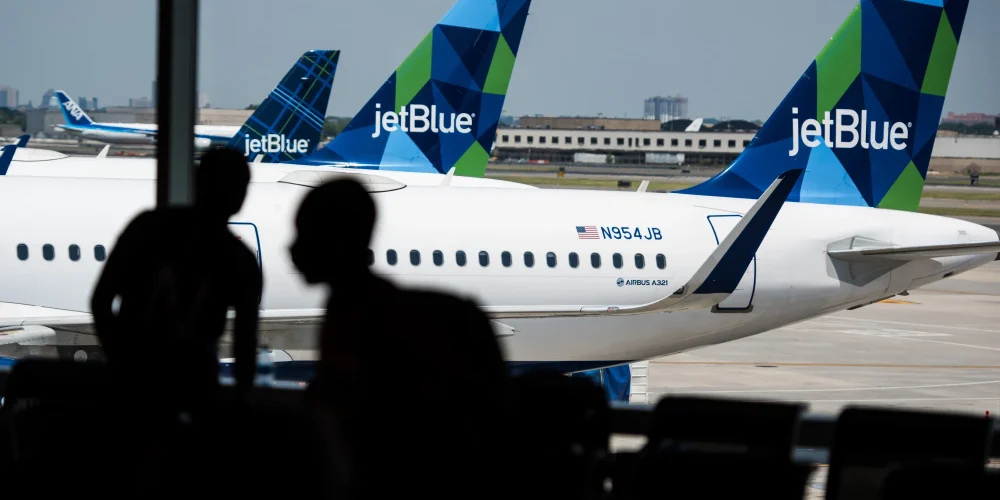
JetBlue is pushing deeper into the transatlantic travel market with two major additions to its European schedule: new nonstop flights to Milan and Barcelona. The airline announced the expansion as part of its broader strategy to grow internationally, even as the competitive landscape intensifies and demand patterns continue to evolve.
The airline plans to launch daily flights to both cities from New York’s JFK Airport, adding more options for U.S. travelers seeking affordable long-haul service. JetBlue said the move supports its long-term goal of becoming a stronger global competitor while offering lower fares on routes traditionally dominated by larger carriers.
The new services highlight JetBlue’s confidence in leisure-driven travel. Milan remains a key gateway for business and fashion tourism, while Barcelona continues to draw millions of visitors each year. Both destinations are expected to attract strong demand from American travelers looking for direct, mid-priced travel options without relying on legacy airlines.
These routes mark JetBlue’s latest effort to expand its European footprint following recent launches to cities such as Paris, Amsterdam, and Dublin. By entering more major markets, the airline hopes to disrupt established transatlantic pricing and win customers with its signature service model, which includes more legroom and upgraded in-flight features compared with most economy cabins.
However, the expansion comes at a challenging time for the airline industry. Carriers continue to face higher operating costs driven by fuel prices, staffing needs, and supply chain delays. JetBlue has acknowledged these pressures but said its network growth is essential for long-term stability. Executives believe the Milan and Barcelona routes will help the company strengthen revenue and broaden its international appeal.
The airline is also counting on its Airbus A321LR aircraft, known for longer range and lower operating costs, to make the flights viable. These jets allow JetBlue to enter European markets that might be too costly or inefficient with larger wide-body planes. The company has been leaning on its next-generation fleet to support international expansion while maintaining financial discipline.
JetBlue’s strategic shift reflects broader trends in the post-pandemic airline industry. Travelers are seeking more direct routes, greater comfort, and affordable alternatives to legacy carriers. At the same time, airlines are looking for high-demand destinations that can support year-round service. Milan and Barcelona fit those criteria, offering strong tourism flows and consistent interest from U.S. travelers.
Despite the optimism, the airline faces competition from European carriers that have long controlled these markets. Airlines based in Italy and Spain have deep networks and established loyalty programs, giving them an edge with frequent travelers. JetBlue aims to compete through pricing, customer experience, and more flexible fare options.
Industry analysts say the success of these new routes will depend on seasonal demand, operational efficiency, and JetBlue’s ability to maintain strong load factors. If the flights perform well, the company could consider adding more European cities to its schedule in the coming years.
JetBlue’s latest expansion signals a clear message: the airline intends to remain a growing force in international travel. As competition intensifies, its push into Europe underscores its ambition to evolve from a domestic-focused carrier into a transatlantic challenger with staying power.
More News Article : Apollo-Backed Airline Raises $222.8M in Major US IPO Comeback









