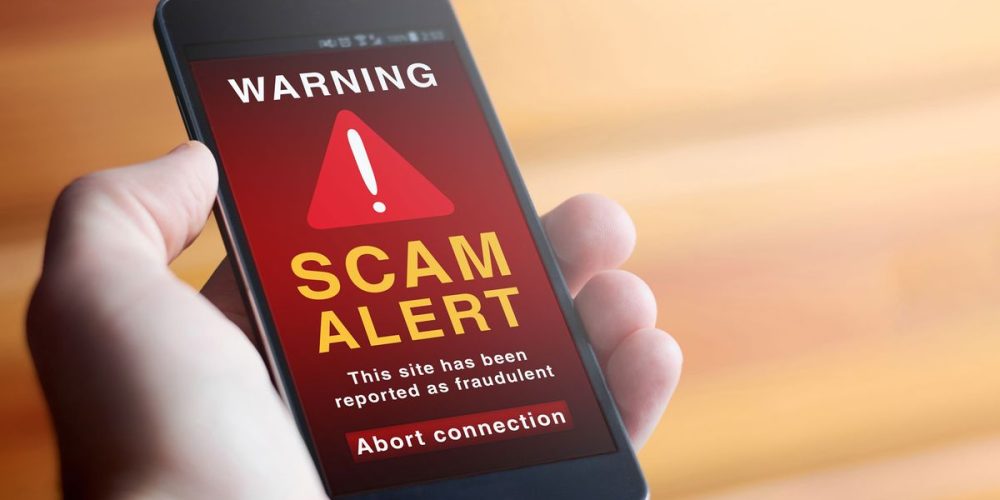
Google is warning Americans about a sharp rise in text-message scams that impersonate major U.S. agencies and services, including E-ZPass, the U.S. Postal Service, and state tolling authorities. These fraudulent messages have become one of the fastest-growing online threats, catching many people off guard due to their realistic language and urgent tone.
The scam usually begins with a simple notification. Victims receive a text claiming they owe a toll fee, missed a delivery, or need to confirm personal information. The message includes a link leading to a fake website designed to look official. Once the user clicks, scammers attempt to steal payment details, login credentials, or sensitive personal information. Google says these attacks are becoming more sophisticated, making them harder to identify without careful attention.
This trend mirrors a broader shift toward mobile-based phishing, often called “smishing.” Criminals have learned that text messages feel more personal and are more likely to be trusted than email. Because many Americans regularly check toll accounts or receive package alerts, these fake messages blend seamlessly into daily life. According to Google’s security team, scammers often rotate between pretending to be federal agencies, state services, and private delivery companies to evade detection.
Google reports that the volume of these fake alerts has surged over the past year, driven partly by the national expansion of tolling systems and record levels of package shipments. The rise in holiday shopping periods and travel seasons typically intensifies these scams. Criminals exploit urgency, hoping recipients react quickly without verifying the source.
Security experts urge caution when handling any unexpected text that demands payment or personal information. They recommend checking official apps or websites instead of clicking embedded links. For toll-related notices, users should log directly into their E-ZPass account. For delivery alerts, checking the official USPS or carrier site is safer than trusting any text link. Google also encourages enabling spam protection on Android devices, which filters known malicious messages.
The company says its automated systems have blocked millions of such texts but acknowledges that some still reach users because scammers constantly change tactics. Google warns that no legitimate agency will ask for sensitive details through unsolicited text messages. Most toll authorities also stress that they do not send payment requests by SMS, and USPS confirms that it never asks customers to submit financial information through text.
Reports show that victims often lose money within minutes because attackers use instant payment processors that are difficult to reverse. Once funds are transferred, recovering them becomes unlikely. Beyond financial loss, stolen personal data may later be used for identity theft, credit fraud, or account takeovers.
Regulators and law-enforcement groups are monitoring the rise in smishing campaigns, with state attorneys general issuing public advisories. Some states are also pushing new legislation requiring telecom companies to block known scam patterns at the network level.
As scammers become more aggressive, experts emphasize the importance of public awareness. The safest approach is to delete suspicious messages, avoid clicking links, and independently confirm any claim through official channels. Google believes that education, stronger filtering tools, and user vigilance will play the largest role in reducing the impact of these rapidly growing scams.
More News : Security vs. Tech: South Korea Delays Google Map Data Export Amid Military Site Concerns