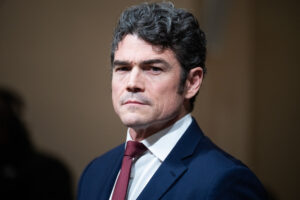
Life360 CEO Chris Hulls is doubling down on the company’s remote-first model, arguing that flexible work and generous paid time off policies help employees perform better—not worse. His comments come as many firms continue to reverse remote-work privileges and push staff back into offices, claiming productivity losses and cultural decline.
Hulls rejects that narrative. He believes remote work allows people to manage their time more effectively, reduce stress, and maintain stronger focus. According to him, forcing workers into strict office routines harms morale and does little to improve results. He says companies should trust employees to perform without micromanagement and outdated expectations.
Life360, best known for its family safety and location-sharing app, has operated fully remote since the pandemic. The company spans multiple time zones and countries, making flexibility a core part of its infrastructure. Hulls says remote-first operations help them hire stronger talent, especially parents and workers seeking autonomy.
The CEO also addressed concerns about employees abusing paid time off. Life360 encourages staff to use their vacation days, and Hulls insists the organization works better when people take real breaks. He says burnout is a greater threat to performance than extra days off. When employees feel rested, they return with stronger ideas and higher energy.
To support remote workers, the company invests heavily in clear processes, asynchronous communication, and meeting discipline. Hulls believes remote culture succeeds only with intentional planning, not by replicating office habits over Zoom. He encourages teams to document decisions, share updates transparently, and avoid unnecessary meetings that drain time.
Hulls contrasts Life360’s approach with companies that call employees back to the office while still expecting them to be available online all day. He argues that hybrid systems often produce the worst outcomes because neither environment is optimized. In his view, firms must choose a model and commit fully, rather than attempt to satisfy everyone.
The CEO also points out that skepticism toward remote work often comes from leaders who built their careers in traditional offices. He believes employees today prioritize flexibility, and companies ignoring this shift risk losing talent to more progressive competitors. Younger workers, especially those with families, value the ability to design their workday around personal needs.
Life360’s remote-first culture extends to leadership as well. Hulls frequently works while traveling and encourages teams to do the same. He emphasizes results instead of location. If work is delivered on time and at a high standard, he believes where it was done should not matter.
He also notes that remote work improves equity. Employees no longer need to relocate to expensive tech hubs, which widens opportunity for people from different backgrounds. Hulls believes this has helped diversify the company’s workforce and improved internal collaboration.
As the global workplace continues to evolve, Life360 remains committed to building systems that support flexibility and long-term well-being. Hulls argues that the future belongs to organizations willing to rethink traditional work structures and embrace approaches that treat employees like responsible adults. For him, remote work is not a trend—it is a sustainable model that strengthens business performance.
Related News : Greece Nabs Creator of VenomRAT, Dismantling Global Cybercrime Network