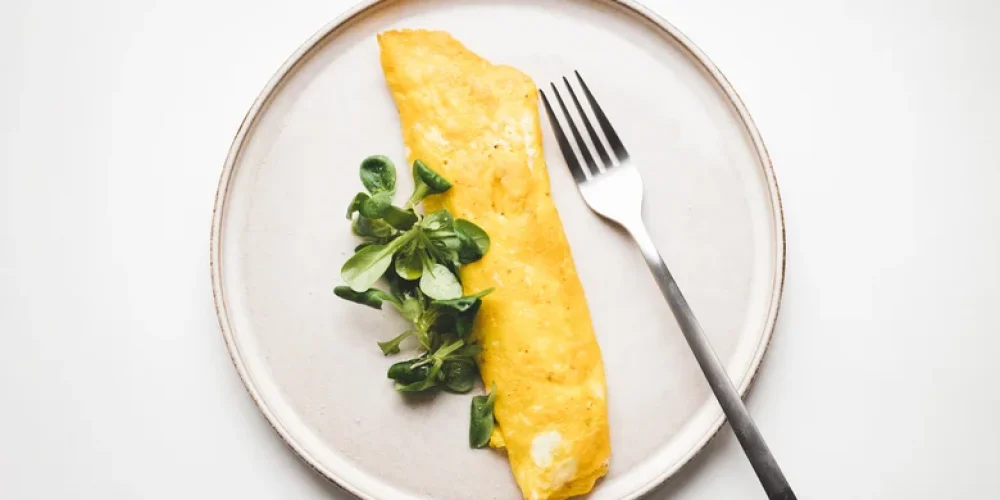
A classic French omelette is trending again, but this time for its surprising simplicity. While many home cooks assume that a French omelette requires expert skill, new guides are breaking that myth and showing how anyone can master this elegant dish in minutes. The recipe has gone viral for delivering a restaurant-quality breakfast with minimal effort, a handful of ingredients, and quick cooking time.
The appeal of a French omelette lies in its soft, custard-like texture and smooth exterior. Unlike American omelettes, which are folded with browned edges and visible fillings, the French version stays pale, tender, and delicately rolled. It transforms basic eggs into something luxurious, making it a favorite for breakfast, brunch, or even a light dinner.
The method focuses on technique rather than complexity. Cooks start by whisking the eggs until they look uniform and airy. They then warm butter in a nonstick pan over gentle heat. When the eggs hit the pan, the real technique begins. Instead of letting the mixture sit, the cook stirs the eggs quickly while shaking the pan. This motion ensures a soft, creamy consistency without browning.
As the eggs thicken, the cook smooths the surface and allows the bottom layer to set lightly. The omelette is then rolled or folded into its signature cylindrical shape. This process takes less than two minutes, proving that a refined dish does not require long preparation.
Many home chefs enjoy customizing the inside with cheese, herbs, sautéed mushrooms, or delicate greens. However, the traditional version stays plain, highlighting the rich flavor of the eggs and the gentle butter. The beauty of this omelette is its flexibility. It can act as a simple comfort meal or serve as a base for more layered flavors.
Food lovers online say the technique feels meditative, and mastering it offers a sense of accomplishment in the kitchen. The trend also reflects a growing demand for easy recipes that still feel special. As more people cook at home, they look for meals that bring restaurant-style satisfaction without complicated steps.
Culinary instructors often emphasize the importance of heat control. A low flame prevents browning and guarantees the soft texture that defines the dish. They also recommend using a high-quality nonstick pan to maintain the smooth finish and avoid sticking during the rolling stage.
The renewed excitement around French omelettes highlights a broader shift toward simple, elevated cooking. People want meals that look impressive but remain accessible on busy mornings. This recipe checks every box: affordable ingredients, minimal steps, and a beautiful result.
For many, the French omelette feels both nostalgic and modern. It carries the elegance of classic French cuisine while fitting perfectly into today’s quick-cooking lifestyle. With the method spreading across social platforms, more home cooks are discovering that refined dishes do not need to be intimidating.
As the trend grows, chefs expect more people to experiment and share their own variations. But at its core, the dish remains a celebration of technique, simplicity, and flavor. The French omelette proves that even the humblest ingredients can become extraordinary with a bit of care.
Read some more : Peanut Allergy Research Signals Shifts in Prevention and Adult Treatment