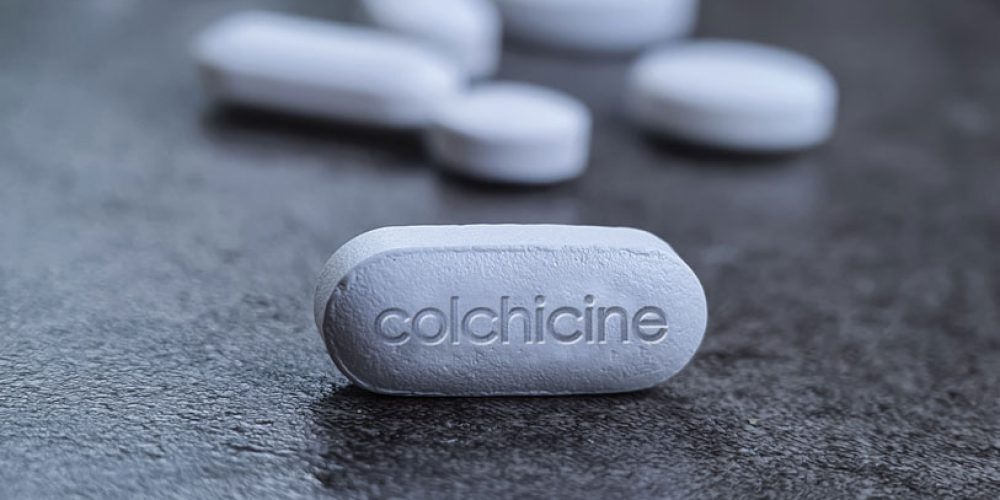
A widely used gout medication is gaining attention for its potential to significantly lower the risk of heart attack and stroke. New findings suggest that colchicine, a drug prescribed for decades to treat gout flare-ups, may also help protect the heart by reducing inflammation linked to cardiovascular disease.
Researchers have long understood that inflammation plays a central role in heart attacks and strokes. When blood vessels become inflamed, plaque inside the arteries becomes unstable and more likely to rupture. This process can block blood flow and trigger a life-threatening event. Colchicine appears to reduce this inflammation and stabilize the arteries, offering a promising layer of protection for high-risk individuals.
Recent studies examined colchicine’s impact on people who already experienced heart disease or had known risk factors. Participants who took low daily doses showed fewer cardiovascular complications over time compared with those who received standard treatment alone. These results suggest that the drug may help prevent a second heart attack or delay serious complications in patients with chronic heart issues.
Researchers believe colchicine works by targeting the body’s inflammatory response at a cellular level. It blocks specific pathways that contribute to artery-damaging inflammation. This mechanism differs from most existing heart medications, which focus on lowering cholesterol or managing blood pressure. Because of this, colchicine may fill an important treatment gap for patients who need additional protection beyond current therapies.
Doctors caution that the drug is not suitable for everyone. Colchicine can cause side effects such as digestive problems, including nausea or diarrhea. These reactions are usually mild but may be harder to manage in patients with kidney or liver conditions. Health experts recommend that people consult their doctor before using colchicine for heart protection, especially if they take other medications.
The new findings highlight the growing interest in repurposing familiar drugs for broader use. Colchicine is inexpensive, widely available, and already approved for gout and other inflammatory conditions. If further research confirms its benefits, millions of people with cardiovascular risk could gain access to an affordable option for reducing heart-related complications.
Medical experts say the drug could be especially helpful for patients who cannot tolerate high-dose statins or those whose cholesterol remains elevated despite treatment. Because inflammation plays a role in many cardiovascular conditions, colchicine may also help reduce hospitalizations linked to recurring chest pain or unstable heart disease.
Researchers continue to explore the long-term impact of colchicine on heart health. Some studies aim to determine whether the drug can prevent heart disease from developing in the first place, while others focus on how it interacts with modern cholesterol-lowering therapies. Early signs are promising, but experts agree that more data is needed before broad recommendations are made.
As cardiovascular disease remains one of the leading causes of death worldwide, the potential benefits of an affordable and effective anti-inflammatory drug could be significant. If larger studies continue to show positive results, colchicine may eventually become a standard add-on therapy for people with high cardiovascular risk. For now, the research offers hope that a familiar medication may provide new ways to fight heart attacks and strokes.
Read More News : Heart Rhythm Breakthrough: New Trial Suggests Select AFib Patients Can Stop Blood Thinners After Ablation