Health experts are urging people to pay more attention to their posture as daily habits continue to weaken core muscles and strain the spine. Many adults now spend long hours sitting, scrolling, and working on screens. This behavior places enormous pressure on the neck, shoulders, and lower back. Doctors say the impact shows up in breathing problems, chronic pain, and reduced mobility.
Specialists note that poor posture does more than create discomfort. It also affects the way the body functions. Slouched sitting compresses the lungs and limits air intake. The rib cage becomes stiff. Breathing grows shallow. Muscles that support the spine weaken over time. This combination creates a cycle that makes good posture even harder to maintain.
Researchers explain that posture and breathing work together. When the body sits upright, the diaphragm moves freely. This movement allows deeper breaths. Better breathing increases oxygen levels and reduces stress. Stronger oxygen flow improves muscle function and overall energy. When people slump forward, the diaphragm tightens. The chest cavity shrinks, and breathing becomes less efficient.
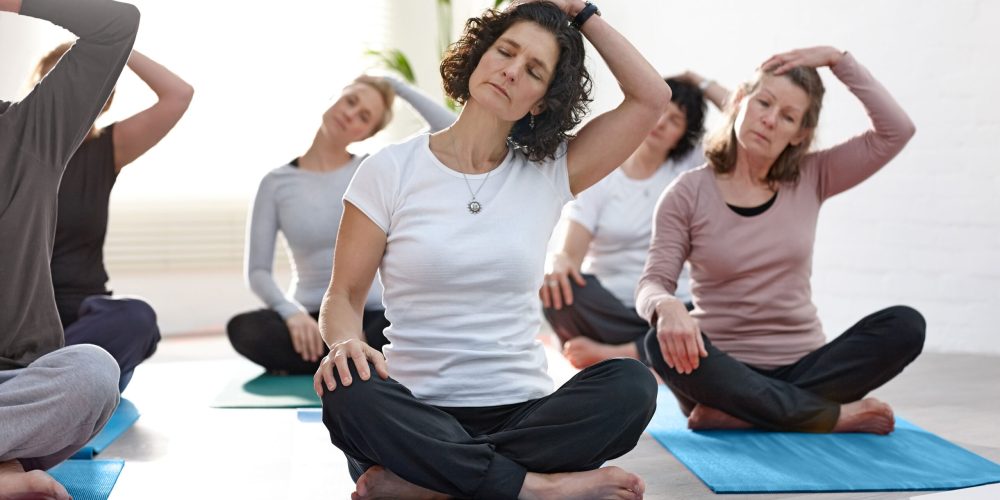
Doctors say simple daily exercises can reverse these issues. They advise focusing on core strength, mobility, and controlled breathing. These exercises do not require gym equipment and take only a few minutes each day. Experts recommend starting with gentle movements that open the chest and stretch the spine. These include shoulder rolls, wall angels, and chin tucks.
Strength-building movements also help. Trainers often encourage planks, bridges, and slow squats. These exercises stabilize the core and support the lower back. When the core muscles become stronger, posture improves naturally. People stand taller without forcing their body into uncomfortable positions.
Related News : Longer Daily Walks May Protect the Heart Better Than Short Bursts, Study Finds
Breathing exercises play a major role too. Experts suggest practicing slow, deep breathing while lying on the ground. This position allows the diaphragm to expand fully. Placing a hand on the stomach helps track movement. When the hand rises during an inhale, the breath is deep enough. Controlled breathing builds awareness and trains the body to use the diaphragm correctly.
Doctors emphasize that healthy posture takes constant practice. Many people forget to adjust their position during the day. Experts advise setting reminders every hour. Standing up, stretching, or walking for a few minutes reduces stiffness. Short breaks protect the spine and relieve joint pressure. Small changes add up and create long-term improvements.
Poor posture also affects mood and confidence. Studies show that upright posture can improve mental focus and reduce anxiety. Slouching often signals fatigue, even when people do not feel tired. Standing straight sends a different message to the brain. It boosts alertness and encourages a more positive mindset.
Experts want the public to understand that posture is not just about appearance. It is a key part of physical and emotional health. The body works best when the spine is aligned, the core is strong, and breathing is deep. With simple habits and short exercises, people can build healthier posture and prevent long-term problems.