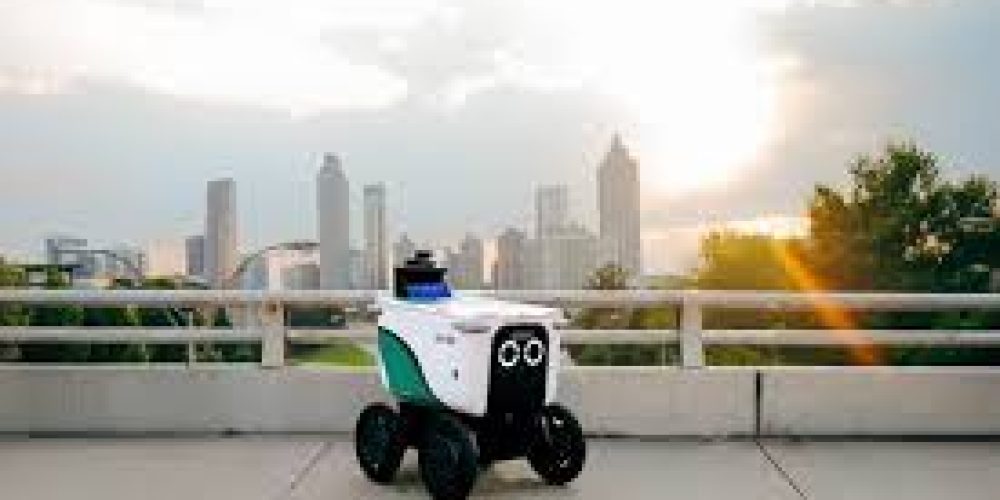
Atlanta residents have a new neighbor rolling around their streets — a fleet of four-wheeled food delivery robots with names like Courtney, Deandre, and Orion. Built by Serve Robotics and deployed through Uber Eats, these boxy, cooler-shaped machines are designed to deliver meals within a mile.
At first, Courtney and friends sparked curiosity and excitement. Locals snapped photos and posted TikToks of the futuristic bots trundling down sidewalks. But three months later, the novelty has worn off. Now, they’re just another obstacle — blocking crosswalks, confusing cyclists, and occasionally getting stuck on cracked pavement.
Serve’s CEO Ali Kashani says these robots represent the long-awaited arrival of “friendly, everyday robots.” He believes they’ll soon be part of daily life in cities worldwide. But while their blinking “eyes” and cute names make them seem approachable, not everyone is convinced they belong.
⚠️
Not Everyone’s a Fan
Experts warn that behind the charm, these bots raise privacy and social concerns.
AI ethicist Joanna Bryson cautions that “they look friendly, but they’re really just cameras and microphones for corporations.”
Critics like researcher Edward Ongweso Jr. say these robots often appear without public input — residents don’t get to vote on whether they want them cluttering sidewalks. He argues companies push them into communities to make automation seem “inevitable,” whether or not people actually benefit.
The rollout isn’t limited to Atlanta. Similar fleets now operate in Chicago, Dallas, Jersey City, and even college towns. Serve’s robots have become so familiar they’ve made appearances on Netflix shows and have even been painted for activism, such as the rainbow-colored robot Marsha, honoring LGBTQ+ advocate Marsha P. Johnson.
🍔
Are They Actually Useful?
Despite their growing presence, it’s unclear how effective these bots are. The writer of the original report tried 12 times to get a robot delivery but always ended up with a human courier instead. Serve claims its bots average 18-minute deliveries over short distances and can handle heat and snow — though they’ve also been rescued after getting stuck in bad weather.
Kashani says they’ll make cities cleaner and safer while lowering costs — especially since, as he points out, “you don’t have to tip the robots.” But critics counter that the robots are most active in wealthy, walkable neighborhoods, raising questions about who truly benefits.
💭
A Glimpse of the Future — or Just a Gimmick?
Some experts believe delivery robots could eventually reduce human drudgery by handling repetitive tasks. But others worry about the unregulated AI systems powering them, with no clear safety oversight.
Incidents, such as a Serve robot colliding with a disabled man’s mobility scooter in Los Angeles, show the risks of unleashing technology before it’s perfected.
The writer ends on a reflective note: these robots may seem harmless, but they symbolize a deeper shift — a world where machines gradually replace human workers and reshape how we interact, communicate, and live.
As Atlanta’s robot fleet continues to multiply, one thing is clear: the age of the everyday robot is here — but whether it’s a sign of progress or a warning about our tech-driven future remains an open question.