

KEY POINTS
- International Olympic Committee (IOC) has banned Ukrainian skeleton racer’s helmet displaying images of war-dead athletes.
- The IOC is pressing him to compete without the helmet to avoid disqualification.
- The athlete insists he will wear the tribute “helmet of remembrance” despite the ban.
The International Olympic Committee has appealed to Ukrainian skeleton racer Vladyslav Heraskevych to compete at the 2026 Winter Olympics without a controversial helmet honoring athletes killed during the war in Ukraine.
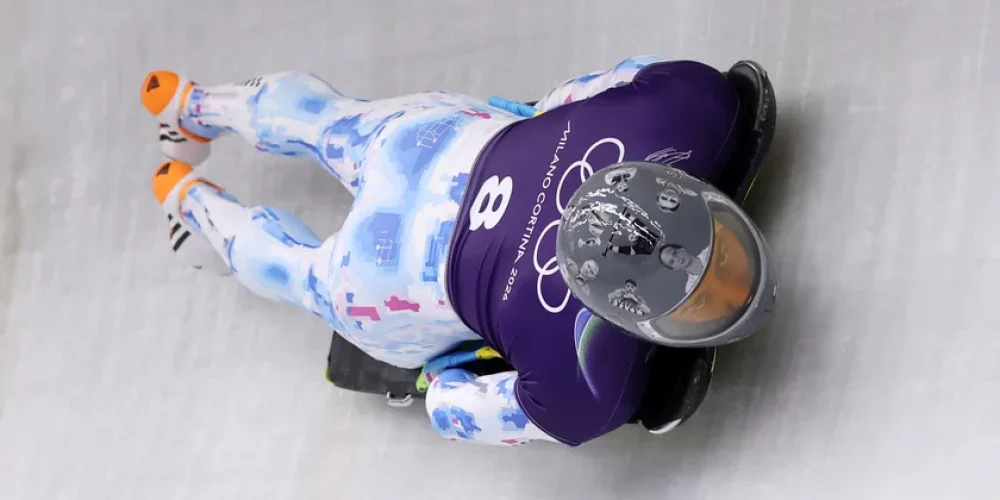
The disputed headgear — dubbed a “helmet of remembrance” — features images of 24 Ukrainian athletes and other compatriots who died as a result of Russia’s invasion. The IOC deemed the helmet a violation of its political-neutrality rules, specifically citing Olympic Charter restrictions on political displays during competition.
IOC officials have urged Heraskevych to remove the helmet for competition and suggested alternatives, such as a black armband, which is permitted under Olympic guidelines. The appeal is aimed at keeping him in the field of play, as refusing to comply could lead to disqualification.
Heraskevych — a 27-year-old skeleton slider and flagbearer for Ukraine at Milano-Cortina 2026 — has trained wearing the banned helmet and reiterated he plans to wear it when he races. He argued that honoring fallen athletes is more important than potential medals.
The IOC’s enforcement stems from Rule 50.2 of the Olympic Charter, which bars political, religious or racial demonstrations on the field of play. The committee said athletes can express personal sentiments in press conferences or on social media, but not during competition itself.
Ukrainian political figures have criticized the decision. Ukraine’s prime minister called the ruling “profoundly wrong,” asserting that remembering deceased athletes is dignity, not politics. President Volodymyr Zelenskyy has also voiced support, underscoring the human cost of the ongoing conflict.
The standoff has drawn international attention, partly because Russia competes as a neutral team due to sanctions related to the invasion. Heraskevych has previously used his platform to make anti-war statements, including at the 2022 Winter Olympics, though they were not judged violations at that time.
With race day approaching, the IOC must decide whether to enforce its equipment rules if the helmet is worn. The outcome could set a precedent for how personal tributes intersect with Olympic rules on political neutrality during competition.









