

KEY POINTS
- Exceptional rainfall totals since October have primed the desert landscape for a rare floral display.
- National Park Service officials confirm that early wildflower sprouts are already visible in southern regions.
- The anticipated peak for this biological phenomenon falls between late February and early April.
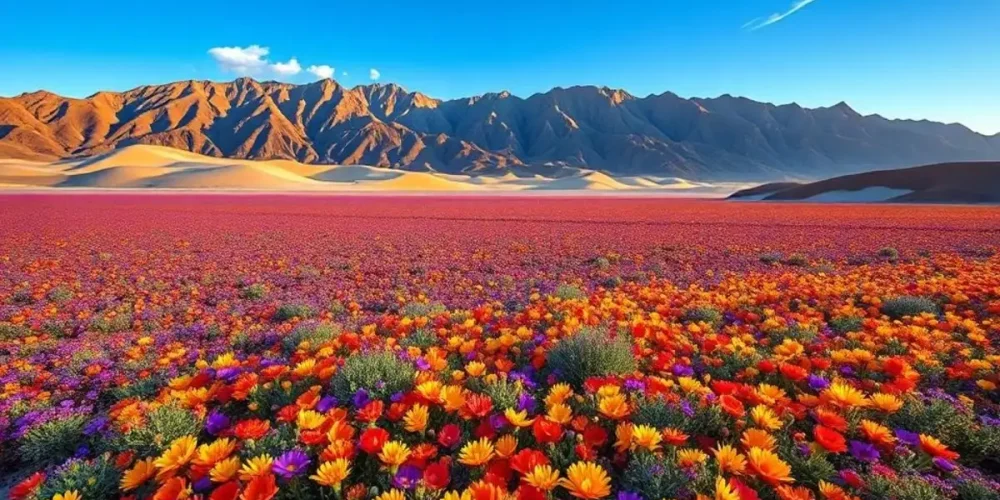
Death Valley National Park typically ranks as the hottest and driest location in North America. However, recent weather patterns are transforming this scorched environment into a vibrant garden. Experts believe a rare superbloom is currently beginning across the desert floor.
The National Park Service recently observed numerous sprouts emerging from the arid soil. These sightings suggest a massive floral event is highly likely this year. Fields of color are already appearing along parts of Badwater Road.
A superbloom is a rare occurrence that requires very specific environmental conditions. It happens only once every decade on average. The last time the park experienced this scale of growth was in 2016.
Preparation for this event began months ago during the autumn season. Sufficient moisture must penetrate the ground long before the spring sun arrives. Current data shows the region received significant rainfall starting in October.
Death Valley has recorded 2.45 inches of rain so far this season. This amount exceeds the average rainfall for an entire year. Frequent storms in November provided the necessary hydration for dormant seeds.
Temperature and wind also play vital roles in the development of the flowers. Consistent warmth encourages growth, but heavy winds can quickly dehydrate the delicate petals. Park officials monitor these variables closely as spring approaches.
Visitors can expect to see several distinct varieties of desert flora. Common species include the bright desert gold and various primrose types. Sand verbena and purple phacelia often carpet the ground during peak weeks.
The peak viewing window usually spans from late February through early April. During this time, the park expects a significant increase in tourism. Nature enthusiasts travel from around the world to witness the transformation.
Authorities remind the public to protect the fragile ecosystem during their visit. Picking the flowers is strictly prohibited by federal regulations. Removing blossoms prevents the plants from dropping seeds for future generations.
Staying on established trails helps protect the young sprouts from damage. This preservation ensures the desert can recover and bloom again in the future. The current wet pattern has also revived ancient Lake Manly.
Witnessing a superbloom is a bucket-list item for many travelers. The contrast between the rugged mountains and soft flowers creates a unique spectacle. For now, the desert continues its slow and colorful awakening.









