

KEY POINTS
- Agritourism is gaining traction in several African countries as travelers seek immersive rural experiences.
- Experiences include farm stays, coffee tours, beekeeping, food workshops and community engagement.
- Luxury wine estates and ecolodges show agritourism can appeal to both high-end and budget travelers.
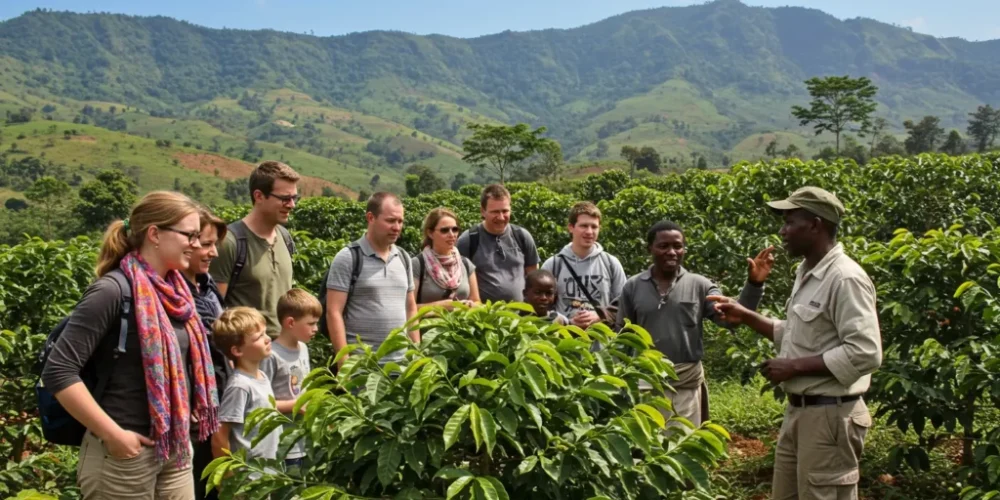
Agritourism — travel that invites visitors into farming life — is transforming parts of African tourism by offering more participatory and authentic rural experiences. Traditionally, wildlife safaris and city tours have dominated tourism across the continent. But agritourism is emerging as a compelling niche that appeals to travelers who want hands-on activities beyond observing wildlife.
In Kenya, Tanzania, Morocco, Rwanda and Uganda, agritourism operators are creating packages that let visitors participate in seasonal farming tasks, beekeeping, cheese making and other agricultural practices. These experiences encourage guests to engage directly with local communities, gaining insight into daily rural life while supporting local economic development.
South Africa’s Winelands and Midlands stand out as agritourism hubs. These regions boast historic vineyards and estates where visitors can enjoy farm-to-table meals, wine tastings and scenic walks. At luxury properties such as Babylonstoren and Delaire in the Western Cape, agritourism has married upscale hospitality with traditional farming, proving that rural experiences can attract high-end travellers.
The appeal of agritourism lies in its diversity. In Rwanda, Eco Terra Vista’s Ubumuntu Journeys combine beekeeping, banana beer brewing and cooking local dishes with athletic activities like mountain biking and canoeing, all rooted in community engagement. Similarly, homestays like those near Gabon focus on cultural exchange, where guests eat, work and learn alongside farming families in relaxed, rural settings.
Agritourism has strong potential as an add-on to traditional safari or city itineraries. Tour operators and travel agents can package rural farm experiences as two- or three-day extensions, appealing to travellers seeking respite, cultural immersion and a break from digital life.
Experts point out that agritourism is about more than just accommodation on a farm. True agritourism includes activities where visitors actively participate in land-based practices, learn skills from farming hosts and share meals rooted in local produce. This shift aligns with global travel trends that favour experiential, meaningful experiences over passive sightseeing.
For African countries, agritourism promises economic and social benefits beyond visitor satisfaction. By bringing tourism revenue into rural areas, it can bolster local incomes, create jobs, and support agricultural sustainability. Operators also note that farm stays and agritourism help preserve rural culture, encouraging younger generations to value traditional practices and landscapes.
While agritourism remains a niche compared with wildlife tourism, its popularity is rising as travelers seek authentic, participatory travel experiences. Destinations that invest in community-led agritourism and collaborative marketing are likely to unlock new routes for growth in Africa’s tourism sector.









