

KEY POINTS
- The U.S. Department of Agriculture will build a sterile fly production facility in Texas to fight New World screwworm.
- The plant, costing about $750 million, is expected to open by late 2027.
- USDA already makes 100 million sterile flies weekly in Panama and is expanding efforts near the U.S.–Mexico border.
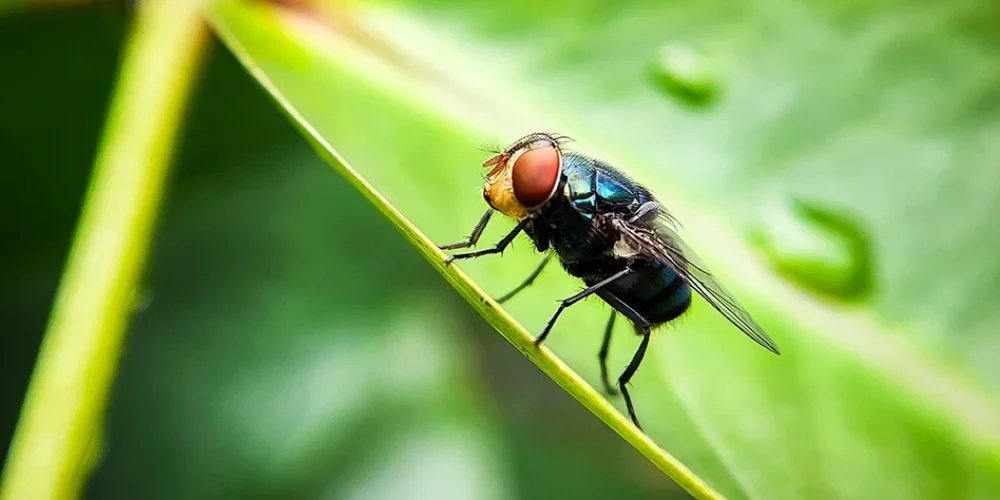
The U.S. Department of Agriculture (USDA) announced plans to open a sterile fly production facility in Texas by the end of 2027. The plant will help combat the New World screwworm, a parasitic fly that poses serious threats to livestock and wildlife.
New World screwworm larvae burrow into living tissue after females lay eggs in wounds on warm-blooded animals. Without treatment, infestations can be fatal. The USDA eliminated the pest from the United States decades ago but recent outbreaks in Mexico have raised concerns about its northward spread.
USDA Secretary Brooke Rollins said the facility will expand domestic capacity for producing sterile flies, which, when released, reduce the ability of wild screwworm populations to reproduce. The sterile fly technique has historically been a key tool in eradicating screwworm through the release of males that do not produce offspring when they mate with wild females.
At present, the USDA produces about 100 million sterile flies each week at an existing facility in Panama and disperses them in Mexico as part of a preventive strategy. The new Texas plant will boost overall production, which federal officials and experts say is needed to counter the pest more effectively.
A separate dispersal center for sterile flies has already opened in southern Texas to create a buffer zone near the U.S.–Mexico border. This temporary facility releases sterile flies in Texas and Mexico aimed at slowing the pest’s advance toward U.S. livestock areas.
The planned Texas production plant is part of a broader USDA effort to safeguard the U.S. cattle industry and livestock sector. Screwworm infestations have disrupted trade and caused border livestock import halts in recent years, underscoring the urgency of bolstering domestic biological defenses.
Building the facility is expected to take several years, but agency officials said establishing local production capacity is critical to ensure a swift and robust sterile fly release program when needed.
In addition to the Texas project, the USDA has invested in related infrastructure to enhance sterile fly production and distribution across the region. These efforts aim to protect U.S. livestock, maintain trade stability, and minimize economic losses linked to infestations.









