

KEY POINTS
- Current economic forecasts fail to account for catastrophic climate tipping points and extreme weather shocks.
- Experts warn that a climate-driven financial crash would be impossible to fix with traditional bank bailouts.
- Some researchers predict the global economy could lose half of its total value within the next few decades.
Leading scientists and financial experts are sounding a major alarm about the global economy. They warn that outdated economic models are dangerously underestimating the financial risks posed by climate change. These flawed calculations could lead to a systemic market crash far worse than the 2008 crisis.
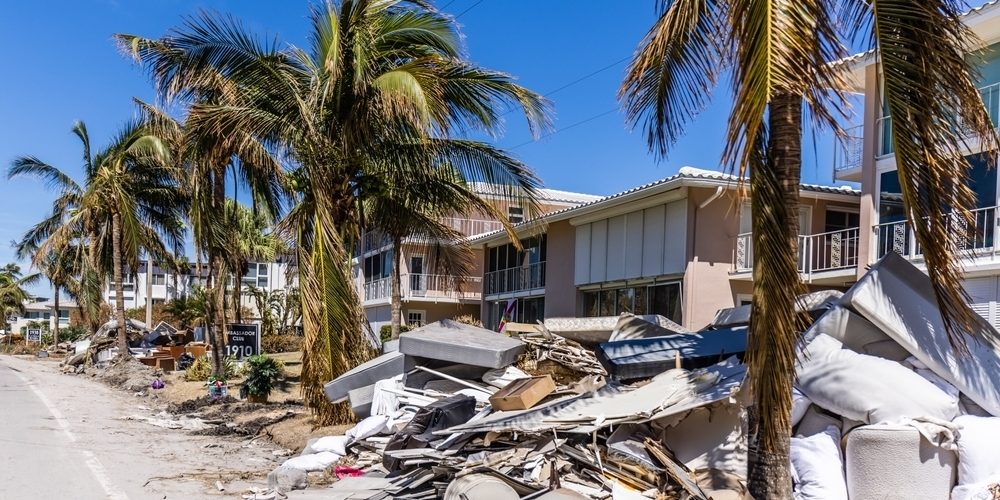
Current tools used by governments and banks often assume climate change will be a slow, manageable process. These models typically focus on gradual rises in average temperatures. However, they frequently ignore the sudden, devastating shocks caused by extreme weather events and ecological tipping points.
Researchers from the University of Exeter and Carbon Tracker Initiative recently released a sobering report. They argue that we cannot simply bail out the planet like a failing bank. Once critical ecosystems collapse, the resulting economic damage becomes permanent and irreversible.
The report highlights specific “tipping points” that could trigger sudden global instability. These include the potential collapse of major Atlantic Ocean currents or the rapid melting of Greenland’s ice sheets. Such events would create cascading failures throughout global supply chains and financial markets.
A survey of nearly 70 climate scientists revealed deep concerns about this analytical gap. Most experts agree that current models do not capture the compounding effects of heatwaves, floods, and droughts. These events hit societies much harder than a simple shift in average temperature suggests.
Many existing economic predictions remain wildly optimistic despite the physical evidence of change. Some models suggest only a 10% loss in global productivity even at high levels of heating. Climate scientists, however, believe such conditions would cause modern society to stop functioning entirely.
The disconnect between economic theory and physical reality has led to widespread complacency among investors. Some government departments reportedly downplay climate impacts to avoid making difficult political choices today. This delay only increases the ultimate cost of responding to the crisis.
Relying on Gross Domestic Product (GDP) as a primary metric also masks the true scale of damage. GDP often fails to account for deaths, illness, and the destruction of natural resources. In some cases, recovery spending after a disaster can even make GDP figures look artificially healthy.
Actuaries recently predicted that the world could lose 50% of its GDP by the late 21st century. This staggering figure reflects the potential for catastrophic shocks that current financial regulations do not address. The speed and scale of these risks are currently outpacing official government actions.
Experts are now calling for a paradigm shift in how we calculate financial risk. They urge regulators to prioritize the vulnerability of the entire financial system over narrow central estimates. Speeding up the transition away from fossil fuels is now seen as a fundamental fiduciary duty.
Preventing climate-driven economic ruin is significantly cheaper than trying to survive the consequences. Moving toward a greener economy is no longer just an environmental goal but an economic necessity. Ignoring these warnings could leave the world’s financial foundations beyond the point of rescue.









