

KEY POINTS
- A new €2 ticketing system began on February 2, 2026, for tourists wishing to access the fountain’s lower basin.
- The measure aims to reduce extreme overcrowding and protect the 18th-century Baroque masterpiece from damage.
- Viewing the monument from the surrounding piazza remains free, while residents and children are exempt from the fee.
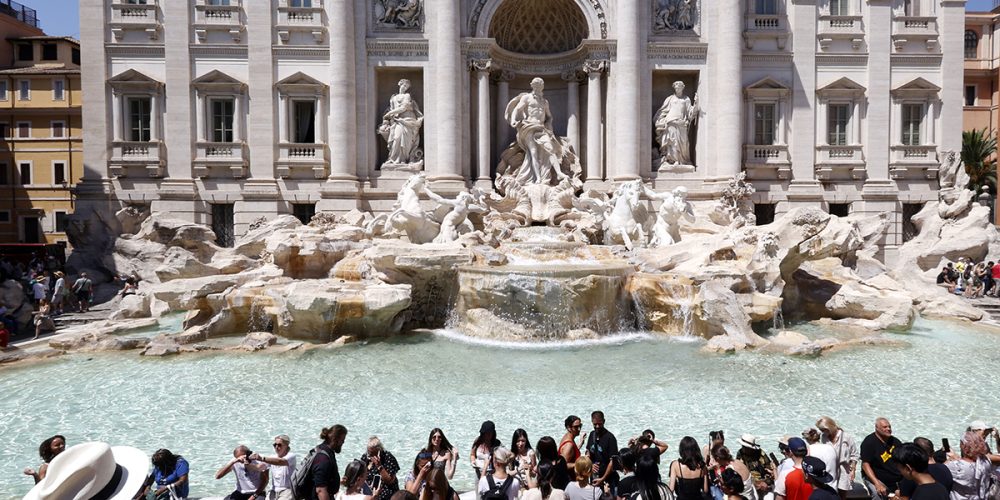
Rome officially introduced a mandatory entry fee for tourists visiting the Trevi Fountain starting February 2, 2026. The municipal government implemented the €2 charge to manage the staggering number of visitors that flock to the site daily. This new policy specifically targets the stone steps and the immediate area around the fountain’s basin. By restricting access to this inner perimeter, officials hope to transform the experience into something more respectful and serene.
The decision follows years of intense congestion and reports of tourists misusing the historic site. City authorities noted that the fountain often becomes a backdrop for picnicking, which threatens the integrity of the stone. The ticketing system acts as a barrier against people eating pizza or ice cream on the monument. Mayor Roberto Gualtieri previously suggested that the small fee would help foster a more sustainable form of tourism.
Revenue generated from the new tickets will stay within the city’s cultural budget. Officials estimate the system could raise approximately €6.5 million annually. These funds are earmarked for the continuous maintenance of the fountain and the preservation of other Roman landmarks. Additionally, the money supports the salaries of dozens of new stewards hired to manage the flow of visitors. These staff members ensure that the area near the water remains calm and orderly.
Access for residents of Rome and the surrounding metropolitan city remains entirely free of charge. Other exemptions include children under the age of six, people with disabilities, and their registered carers. For everyone else, tickets are available through a dedicated website or via QR codes posted around the square. Despite the new gates, the majority of the square remains open to the public without a fee.
Those who do not wish to pay can still enjoy the fountain from the upper piazza. From this vantage point, the iconic views of the god Oceanus and the rushing water remain accessible. However, anyone wishing to follow the tradition of tossing a coin into the basin must now enter the paid zone. This tradition reportedly brings in over €1 million for charity each year, a practice that remains unchanged.
The Trevi Fountain project serves as a test case for other overcrowded Italian landmarks. Cities like Venice have already introduced similar day-tripper fees to protect their heritage. Rome may expand this ticketing model to other busy sites if the results prove successful. For now, the city remains focused on ensuring the “Eternal City” stays livable for its residents.









