

KEY POINTS
- Indian health authorities are tracking a new Nipah virus outbreak following recent fatalities in Kerala state.
- The virus carries a high mortality rate and lacks specific vaccines or treatments for human use.
- Protective measures focus on avoiding contact with fruit bats and contaminated food sources in affected regions.
Health officials in India are currently managing a recurring outbreak of the Nipah virus in Kerala. This zoonotic pathogen regularly jumps from animals to humans in this specific region. Recent reports confirm that the virus has claimed lives, prompting immediate containment efforts. Local authorities have established quarantine zones to prevent the infection from spreading further.
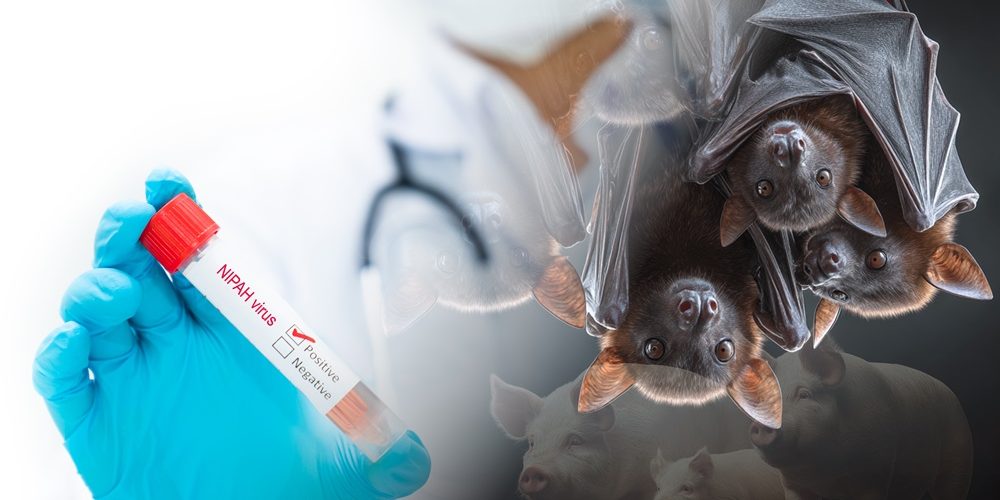
The Nipah virus naturally resides in Pteropus fruit bats, also known as flying foxes. Humans often contract the illness after consuming fruit contaminated by bat saliva or urine. Drinking raw date palm sap is a frequent cause of transmission in South Asia. Additionally, the virus can spread between people through close physical contact.
Symptoms of the infection typically begin with fever, headache, and muscle pain. Some patients experience respiratory issues similar to a severe flu. As the disease progresses, it can cause brain inflammation known as encephalitis. This condition leads to confusion, seizures, and potentially fatal comas.
The World Health Organization classifies Nipah as a high-priority pathogen due to its epidemic potential. It carries a staggering fatality rate ranging from 40 to 75 percent. Because no specific vaccine exists for humans, medical care focuses primarily on managing symptoms. Scientists are working on candidates, but none have reached the general public yet.
Kerala has faced multiple outbreaks of this virus since 2018. The state’s robust public health system remains on high alert to identify new cases quickly. Officials use contact tracing and isolation to break the chain of transmission. They also advise residents to wash fruits thoroughly and avoid half-eaten produce.
Farmers and animal handlers face higher risks of exposure in these zones. Pigs can act as intermediate hosts after coming into contact with bat droppings. In past global outbreaks, infected livestock caused significant transmission to humans. Proper protective gear and sanitation are essential for those working in agriculture.
Global health organizations are closely monitoring the situation in India. They seek to understand why this virus appears so frequently in certain geographical pockets. Improved surveillance in wildlife populations may help predict future spillover events. For now, public education remains the most effective tool for saving lives.
Residents in affected areas must follow all government safety protocols. Avoiding large gatherings in high-risk districts can help limit human-to-human spread. Early detection remains the best way to increase a patient’s chance of survival. Health departments continue to provide updates as new testing results become available.









