

KEY POINTS
- A record-breaking ice storm has left over 70,000 Mississippi residents without electricity for nearly a week.
- Governor Tate Reeves confirmed the storm-related death toll has risen to 16 as dangerous cold persists.
- National Guard troops are deploying emergency supplies via helicopter to residents trapped by frozen roads.
Mississippi remains in the grip of a life-threatening weather crisis following a historic ice storm. Thousands of residents are entering their sixth consecutive day without power or heat. This prolonged outage comes as a new Arctic front brings subfreezing temperatures to the region. State officials warn that the current deep freeze significantly heightens the risk of hypothermia for vulnerable populations.
Governor Tate Reeves provided a somber update on Friday regarding the rising human cost of the storm. The official death toll in Mississippi has now climbed to 16 individuals. Fatalities have been reported across multiple counties, including Alcorn, Union, and Warren. Emergency responders continue to discover victims as they conduct welfare checks in isolated rural communities.
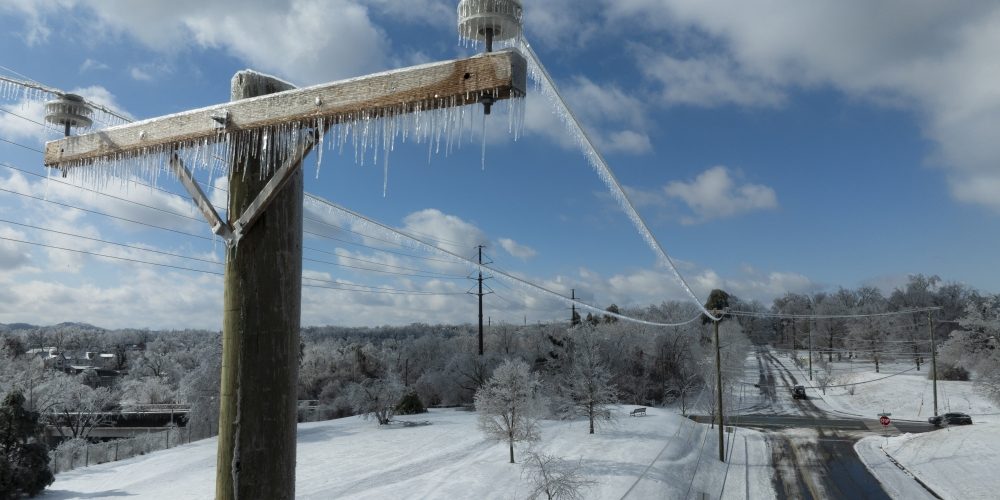
The state’s power grid suffered extensive damage due to heavy ice accumulation on lines and trees. At the height of the storm, nearly 180,000 customers lost electricity. While crews have made progress, approximately 74,000 homes and businesses still lack power. Linemen from across the country are working in treacherous conditions to repair snapped poles and downed wires. Two utility workers recently sustained injuries while attempting to restore service in Alcorn County.
Logistical challenges are complicating the recovery efforts across North Mississippi. Many secondary roads remain encased in a thick layer of ice, making them impassable for standard vehicles. The Mississippi National Guard has deployed Chinook helicopters to bypass these blockages. These aircraft are delivering thousands of pounds of food, water, and blankets to cut-off areas. Meanwhile, 135 snowplows continue to work on clearing major interstates for emergency traffic.
Warming centers have opened their doors to provide a temporary reprieve from the cold. However, local mayors report that these facilities are struggling with their own equipment shortages. Some shelters lack sufficient generators to maintain heat during the ongoing grid instability. In the city of Oxford, water pressure issues have forced officials to prioritize supply for hospitals over residential neighborhoods.
The economic and structural impact of the storm is becoming clearer as assessments begin. Early reports indicate that over 250 homes and dozens of businesses have sustained major damage. Twenty public roads were completely destroyed by the extreme weather conditions. The state has extended tax deadlines for impacted citizens to offer some financial relief during the recovery.
Forecasters expect the dangerously low temperatures to remain throughout the weekend. Wind chills could drop near or below zero in the hardest-hit northern counties. Residents are urged to stay off the roads and check on neighbors who may be struggling. This event is being described as the worst winter weather to hit the state in over 30 years.









