

KEY POINTS
- A prominent Indian political leader suggests a complete social media ban for minors.
- The proposal cites growing concerns regarding mental health and online safety for teenagers.
- India joins a rising global movement to restrict digital access for younger generations.
India is considering a major shift in digital policy for younger citizens. A key political ally of Prime Minister Narendra Modi recently proposed a total ban on social media for teenagers. This move targets individuals under the age of 18 across the country.
The proposal reflects a growing anxiety over the impact of digital platforms on youth. Many officials believe that unrestricted access leads to significant mental health challenges. They also point to the risks of cyberbullying and online exploitation.
This legislative push aligns India with several other nations. Countries like Australia have already moved toward similar age-based restrictions. Global leaders increasingly view social media as a public health concern for children.
The advocate for this ban emphasizes the need for a protected childhood. He argues that digital platforms often distract students from their education. Furthermore, the proposal suggests that technology companies do not do enough to verify age.
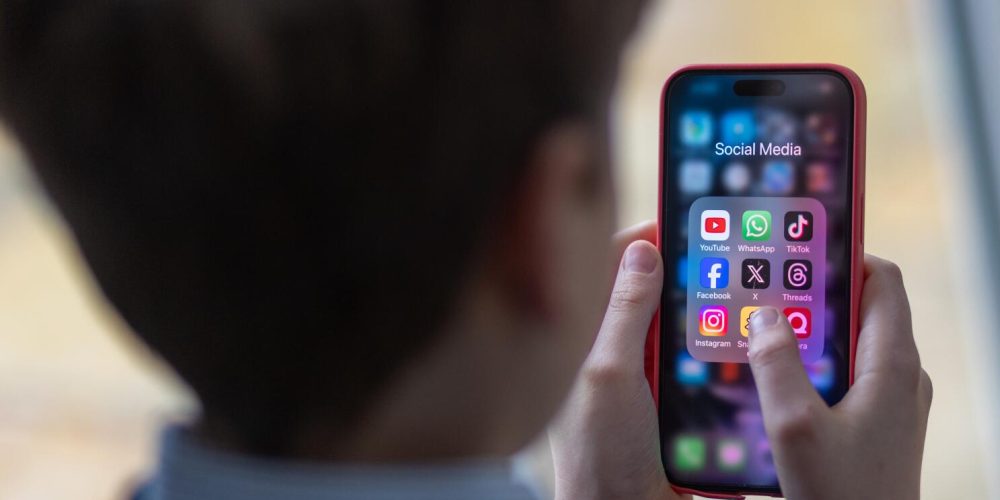
Implementation would require strict cooperation from major tech firms. Platforms like Instagram, TikTok, and X would need better verification systems. Currently, many minors bypass age limits with ease.
Public debate regarding the proposal is already intensifying. Some parents support the move to reduce screen time. They worry about the addictive nature of scrolling and short-form video content.
However, critics argue that a total ban is difficult to enforce. They believe digital literacy education is a better solution. Opponents also worry about the impact on free expression for older teenagers.
The Indian government has not yet turned this proposal into a formal law. It remains a significant recommendation from a powerful political figure. His influence suggests the idea will receive serious parliamentary consideration soon.
Legal experts are watching the situation closely. A ban of this scale would set a massive global precedent. India represents one of the largest markets for social media companies worldwide.
If passed, the law could change how millions of Indian teens use the internet. It might force platforms to redesign their services for the Indian market. The move highlights a transition toward tighter state control over digital spaces.
Security officials also support the idea of reducing youth exposure to harmful content. They claim that radicalization and misinformation often target younger, impressionable users. A ban could serve as a protective shield against these specific threats.
The global debate over youth social media use is reaching a boiling point. India’s potential decision could influence other developing nations to follow suit. For now, the focus remains on balancing safety with digital freedom.









