

KEY POINTS
- A historic polar vortex has plunged temperatures to dangerous lows across more than 20 states this week.
- Major metropolitan areas face life-threatening wind chills reaching 40 degrees below zero in some northern regions.
- The extreme weather event has triggered widespread school closures and significant disruptions to national energy grids.
A brutal Arctic air mass is currently paralyzing a vast portion of the United States. The weather system originated in the North Pole before surging south into the American heartland. Millions of residents now face some of the coldest conditions seen in several decades. Forecasters warn that the most intense cold will linger through the end of the week.
The deep freeze spans from the Northern Plains to the East Coast. States like Minnesota and North Dakota have recorded ambient temperatures well below zero. When combined with high winds, the air feels even more lethal to those outdoors. Frostbite can occur on exposed skin in less than ten minutes under these conditions.
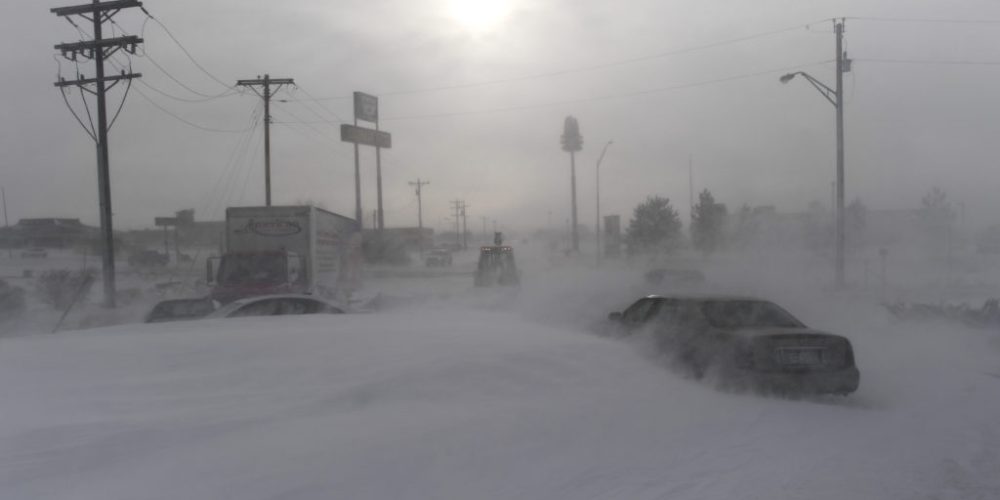
In the Midwest, major cities like Chicago and Detroit have transformed into frozen landscapes. Local authorities have opened hundreds of emergency warming centers to protect vulnerable populations. Many school districts canceled classes to keep children away from the extreme morning chill. High-speed winds are also complicating efforts to keep roads clear of drifting snow.
The southern edge of the cold front is reaching into typically warmer climates. Parts of Texas and the Deep South are experiencing rare freezing temperatures this week. These regions often lack the infrastructure to handle sustained ice and snow. Local officials have issued urgent warnings regarding pipe safety and home heating risks.
Energy providers are closely monitoring the surge in demand for electricity and natural gas. Some utility companies have asked customers to conserve energy during peak morning hours. This helps prevent localized blackouts and maintains stability across the regional power grids. So far, the system has avoided any major large-scale failures.
Travelers are facing significant hurdles due to the persistent Arctic weather. Airlines have canceled or delayed thousands of flights across major domestic hubs. Trains and buses are also running on modified schedules in several states. Officials advise against any unnecessary travel until the wind chills begin to moderate.
Meteorologists believe this event is a result of a displaced polar vortex. High-pressure systems in the atmosphere have pushed cold air further south than usual. While such events happen periodically, the intensity of this current blast is exceptional. Data shows that several cities have already set new daily record lows.
Recovery will likely be a slow process as the front moves eastward. Experts expect a slight warming trend to begin early next week. However, the immediate focus remains on public safety and infrastructure protection. Residents should continue to follow all local weather alerts and stay indoors when possible.









