

KEY POINTS
- A powerful “Pineapple Express” storm killed at least three people and prompted a state of emergency across six California counties.
- Massive mudslides and debris flows buried homes and vehicles in Wrightwood, leaving the mountain community isolated on Christmas Day.
- Record-breaking rainfall and high winds knocked out power to over 100,000 residents while forcing widespread evacuations in fire-scarred regions.
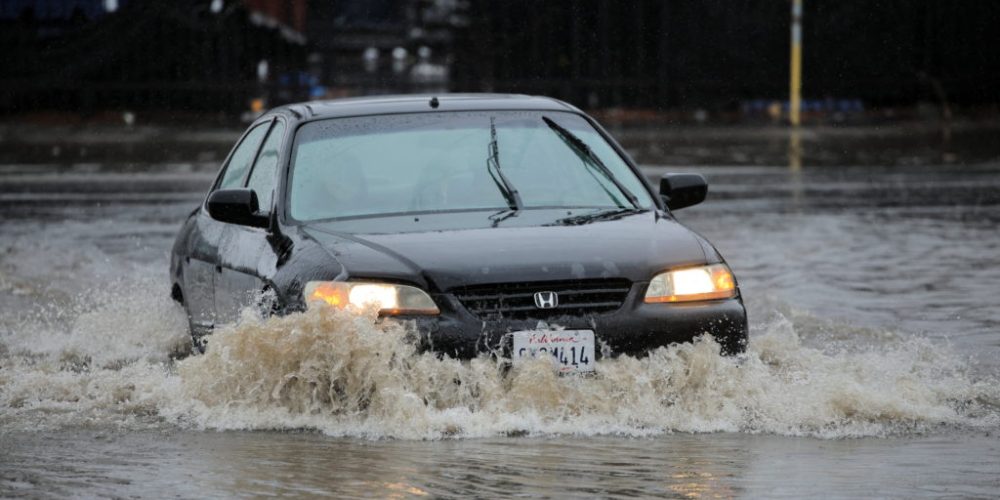
California faced its wettest Christmas in decades as a relentless atmospheric river slammed into the state during the 2025 holiday week. The storm, fueled by a dense plume of tropical moisture known as the Pineapple Express, delivered months of rainfall in just 48 hours. Governor Gavin Newsom declared a state of emergency for Los Angeles, San Bernardino, and four other counties as life-threatening flash floods overwhelmed local infrastructure. The disaster resulted in at least three confirmed fatalities, including a motorist trapped in a submerged vehicle in Northern California.
The mountain resort town of Wrightwood became the epicenter of the storm’s destruction on Christmas morning. Violent mudslides and debris flows cascaded down the San Gabriel Mountains, burying cars and homes up to their windows. Massive sinkholes and washouts destroyed several sections of State Route 138, effectively cutting off the community from emergency services. Hundreds of residents remained trapped in their homes without power or clean water, forcing neighbors to coordinate food and supply deliveries via social media.
Rescue operations intensified throughout the holiday as swift-water teams and helicopters worked to reach stranded holiday travelers. In Los Angeles County alone, first responders rescued more than 100 people from inundated vehicles and drainage tunnels. The Los Angeles River and other major flood channels reached dangerous levels, prompting authorities to issue urgent warnings for residents to stay away from all waterways. Coastal areas, including Malibu and Santa Monica, also faced significant flooding as rain rates exceeded one inch per hour.
The storm’s impact was exacerbated by the state’s recent history of devastating wildfires. Communities near the Airport and Eaton Fire burn scars faced the highest risk, as the scorched terrain could not absorb the torrential downpours. These conditions triggered multiple landslides that blocked major thoroughfares, including portions of Interstate 5 near Tejon Pass. The widespread chaos disrupted travel for millions of Californians during one of the busiest weeks of the year.
Utility crews struggled to restore electricity to more than 101,000 homes and businesses as 60 mph wind gusts toppled trees and transmission lines. Many residents spent their Christmas night huddling by candlelight as the second wave of the storm moved through the region. While the most intense rainfall began to subside by the weekend, officials warned that the threat of additional landslides remains high due to the saturated soil. The 2025 Christmas storm will be remembered as one of the most significant weather events in recent California history.









