

KEY POINTS
- An independent investigation into surgeon Yaser Jabbar revealed that 94 children suffered harm during his five-year tenure.
- The review identified severe injuries, including avoidable amputations, nerve damage, and significant leg-length discrepancies of up to 20cm.
- Great Ormond Street Hospital issued a formal apology and admitted to systemic failures in handling early whistleblowing concerns.
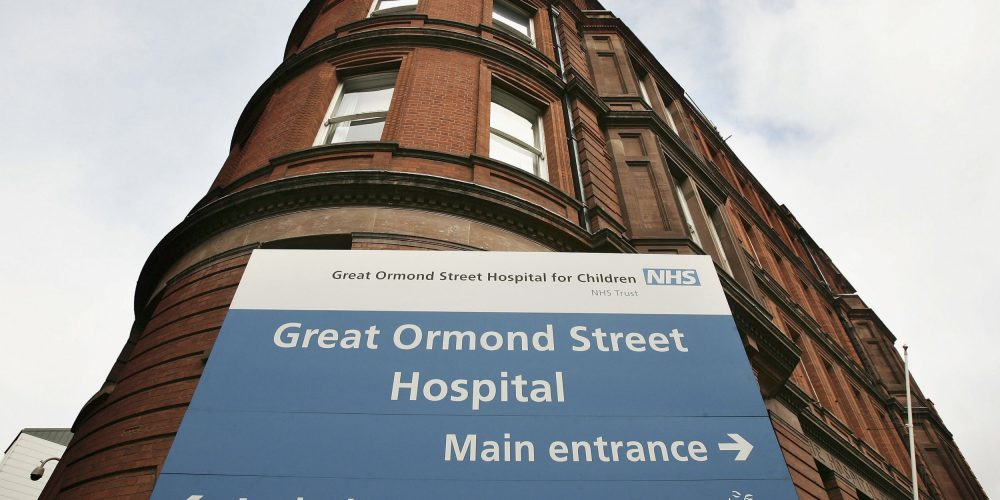
A major clinical review at Great Ormond Street Hospital has exposed widespread surgical malpractice within its orthopedic department. The independent investigation examined the cases of 789 children treated by former consultant Yaser Jabbar between 2017 and 2022. Findings published on Thursday confirm that 94 patients suffered direct harm due to his medical actions. This report marks the conclusion of a long-running inquiry into the surgeon’s specialized limb-reconstruction practice.
The review categorized the injuries to highlight the severity of the clinical failures. Experts found that 36 children suffered severe harm, while 39 faced moderate injuries and 19 experienced mild harm. Some of the most distressing cases involved botched limb-lengthening procedures and unnecessary surgeries. One child underwent a leg amputation that medical experts later determined could have been avoided with proper care. Others were left with permanent deformities or chronic, life-altering pain.
Investigators criticized Jabbar for using unrecognized surgical techniques and failing to obtain proper consent from families. The report described his clinical decision-making as falling well below expected professional standards. Furthermore, it noted that he often dismissed concerns raised by parents during follow-up appointments. This “cavalier” approach led to delayed diagnoses of complications that worsened the children’s conditions.
The scandal has also highlighted deep systemic issues within one of the world’s most famous children’s hospitals. The review described the orthopedic service as “dysfunctional” and criticized a culture that silenced whistleblowers. Staff members and families reportedly raised alarms about Jabbar as early as 2017. However, the hospital failed to take substantive action for several years. This delay allowed the harm to continue unchecked across hundreds of elective procedures.
In response to the findings, the hospital’s chief executive offered a sincere apology to all affected families. The trust has now implemented several safety recommendations from the Royal College of Surgeons. These include improved support for whistleblowers and mandatory multidisciplinary reviews for all complex surgical cases. Additionally, NHS England will launch a separate investigation into the hospital’s governance and leadership culture next month.
Jabbar resigned from his position in 2023 and currently lives abroad. He no longer holds a license to practice medicine in the United Kingdom. While the hospital aims to rebuild public trust, many families are now pursuing legal action for medical negligence. For many of the 94 children, the physical and emotional impact of these surgical errors will last a lifetime.









