

KEY POINTS
- Large-scale research shows that AI-supported mammography significantly improves early detection of breast cancer.
- Using artificial intelligence in screenings led to a 12% drop in cancers diagnosed between scheduled appointments.
- The study suggests AI helps doctors identify subtle abnormalities that human eyes might overlook during routine checks.
A major clinical study has revealed that artificial intelligence significantly improves the accuracy of breast cancer screenings. Research involving over 55,000 women in Sweden demonstrated that AI helps catch more tumors early. This technology specifically targets “interval cancers,” which appear between regular screening cycles. These cancers are often more aggressive and harder to treat.
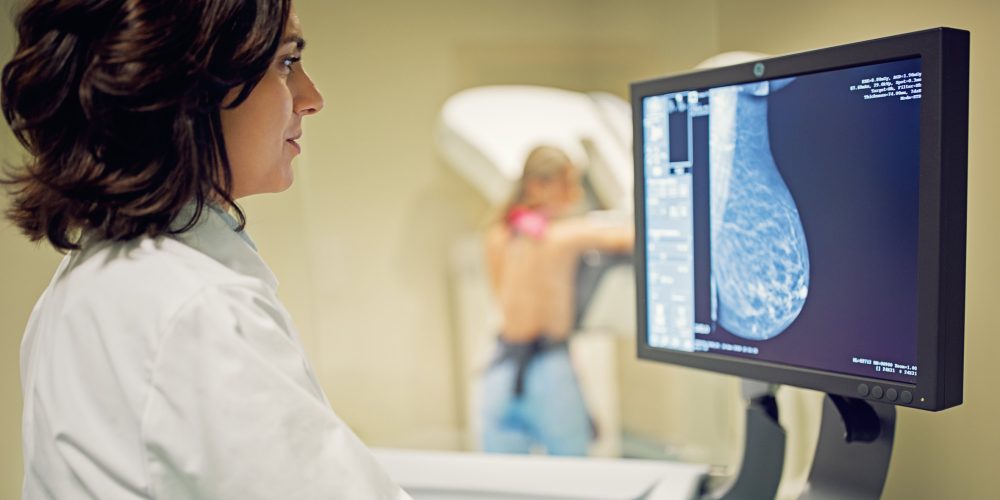
Radiologists usually examine thousands of mammograms every month. This high volume can lead to fatigue or overlooked details. Artificial intelligence serves as a digital safety net for these medical professionals. It analyzes images for tiny patterns that suggest the presence of a tumor.
The trial compared standard double-reading by two doctors against AI-assisted screening. Results showed that the AI group experienced 12% fewer interval cancers over two years. This reduction suggests that the technology identifies risks that humans missed during initial scans. Early detection remains the most critical factor in surviving breast cancer.
Experts believe this breakthrough could transform national screening programs worldwide. Many countries currently struggle with a shortage of qualified radiologists. AI can help manage the heavy workload by triaging low-risk cases. This allows doctors to focus their time on more complex or suspicious images.
Despite the positive results, researchers emphasize that AI will not replace human doctors. Instead, it acts as a highly efficient assistant. The final diagnosis always remains the responsibility of a trained medical professional. The goal is to combine human expertise with machine precision.
The study also tracked the rate of false positives. These occur when a healthy patient receives an incorrect cancer alert. AI-supported screenings did not significantly increase these stressful events. This indicates the technology is both sensitive and accurate for mass public use.
Health officials are now reviewing these findings to update clinical guidelines. Implementing AI could save thousands of lives by catching cancer before it spreads. It also reduces the need for invasive treatments like chemotherapy in some patients. Catching a tumor at its earliest stage makes surgery much more effective.
Ongoing monitoring will continue as more hospitals adopt these digital tools. Future research will look at the long-term survival rates of women in AI programs. For now, the 12% drop in missed cancers marks a major victory for medical technology. It provides a clearer path toward more reliable preventative healthcare.









