

KEY POINTS
- The Vjosa River in Albania represents one of the last large wild river systems in Europe.
- New volunteer trips allow travelers to contribute to conservation efforts while exploring remote Balkan landscapes.
- Scientific data collected by tourists helps maintain the river’s status as a protected national park.
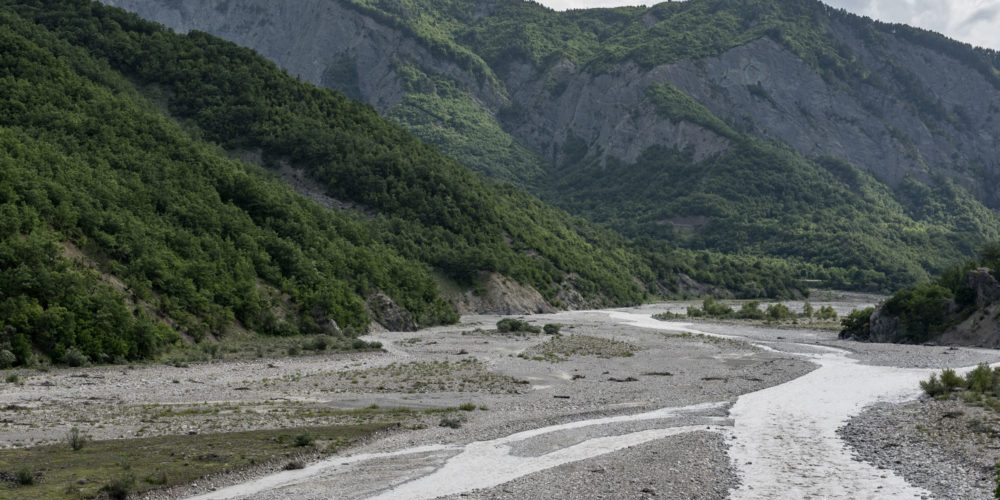
Albania is quickly becoming a focal point for environmental conservation in Europe. The Vjosa River flows unimpeded from the Pindus Mountains in Greece to the Adriatic Sea. It remains one of the few large river systems on the continent without dams or power plants. This rare status has earned it the title of Europe’s first wild river national park.
Recent travel initiatives now invite visitors to participate directly in the river’s protection. These volunteering trips combine traditional adventure tourism with essential citizen science. Travelers do more than just view the scenery. They actively help researchers document the unique biodiversity found along the riverbanks.
Participants often stay in local guesthouses in remote villages like Tepelena and Përmet. These stays provide direct economic benefits to the rural communities living near the water. The revenue from eco-tourism offers a sustainable alternative to industrial development. This community-based model helps residents see the financial value of a free-flowing river.
The daily work for volunteers involves several hands-on scientific tasks. Many groups focus on identifying rare insect species and mapping invasive plants. Others monitor water quality and track the movement of local fish populations. This data provides the evidence needed to defend the park against future infrastructure threats.
Accessing the most remote sections of the Vjosa requires physical effort. Volunteers often travel by raft to reach untouched gravel islands and floodplains. These areas serve as vital breeding grounds for numerous bird and mammal species. The lack of human interference makes the Vjosa a critical sanctuary for European wildlife.
The project emphasizes education and long-term environmental stewardship. Guides teach volunteers about the complex hydrology that defines a wild river. They explain how natural flooding cycles create a constantly shifting landscape. Understanding these processes is vital for effective conservation work across the globe.
Many travelers find the experience more rewarding than a standard vacation. The trip offers a sense of purpose and a deeper connection to the land. By contributing to the scientific record, volunteers help ensure the river remains wild for future generations.
The success of the Vjosa National Park could inspire similar projects elsewhere. It demonstrates that tourism can be a force for environmental good. As more people seek meaningful travel, Albania’s wild river serves as a powerful example of successful preservation.









