

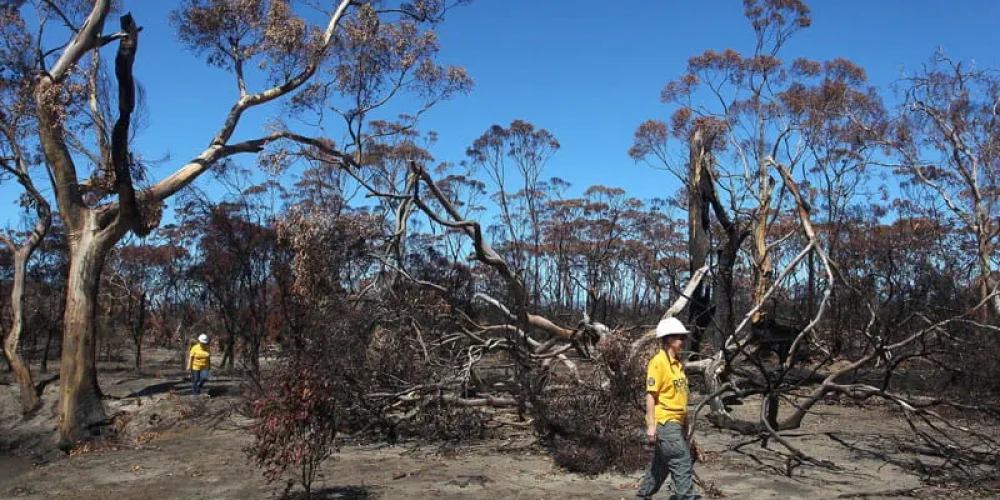
Key Points:
- Kangaroo Island has successfully rebuilt its tourism infrastructure six years after devastating wildfires destroyed nearly half the island.
- Local wildlife populations, including rare glossy black cockatoos and dunnarts, show incredible resilience as their native habitats regenerate.
- The community now prioritizes sustainable, high-end travel experiences that fund ongoing conservation and climate-resilient building projects.
Kangaroo Island is witnessing a breathtaking transformation that marks a new chapter for Australian conservation. Years after catastrophic wildfires scorched the landscape, the region has emerged as a global model for environmental recovery. This evolution proves that even the most damaged ecosystems can flourish again with dedicated human support.
The 2020 fires left deep scars across the western end of the island. Flames consumed ancient forests and vital tourism assets, leaving locals to face a daunting rebuilding process. Today, the charcoal-stained vistas have transitioned into vibrant green corridors filled with life and new growth.
Vast stretches of eucalyptus forests now stand tall as they reclaim their rightful place. Many plant species actually require fire to release their seeds, leading to a massive surge in biodiversity. This natural phenomenon has provided a unique opportunity for scientists to study rapid ecological succession in real-time.
Wildlife recovery remains the most inspiring part of this journey. The elusive Kangaroo Island dunnart, once feared lost, now thrives in protected sanctuaries. Careful monitoring shows that these tiny marsupials are expanding their range as the undergrowth provides better cover from predators.
Bird enthusiasts are also celebrating the return of the glossy black cockatoo. Conservationists worked tirelessly to protect surviving nesting trees from the intense heat of the blazes. These efforts saved a significant portion of the population from local extinction during the height of the crisis.
The tourism sector has shifted its focus toward a more sustainable and intentional model. New luxury lodges utilize fire-resistant materials and solar energy to minimize their environmental footprint. These establishments aim to attract visitors who value deep connections with nature over traditional mass tourism.
Tour operators now offer experiences that educate guests on the delicate balance of the island’s ecology. Guided walks highlight the specific ways different plants and animals adapted to the post-fire world. This educational approach helps travelers understand the urgent need for climate action and habitat protection.
Local farmers and producers have also adapted to the changing conditions. The island’s famous honey industry, built around the pure Ligurian bee, is recovering as wildflowers bloom again. Vineyards and orchards have implemented smarter water management systems to combat future drought cycles.
Infrastructure improvements ensure the island is better prepared for future environmental challenges. Enhanced fire breaks and modernized emergency response systems provide a safety net for residents and guests alike. The community has turned a tragedy into a blueprint for modern climate resilience.
Kangaroo Island serves as a beacon of hope for other fire-prone regions worldwide. It demonstrates that nature possesses a fierce will to survive when given the space to heal. Travelers returning to the island today witness a landscape that is both raw and incredibly beautiful.
The recovery project continues to evolve as new challenges arise. Constant vigilance against invasive species is necessary to protect the fragile progress made so far. However, the prevailing spirit on the island is one of immense pride and quiet optimism for the future









