

Key Points:.
- The International Cricket Council officially denied Bangladesh’s request to move its T20 World Cup matches out of India.
- A 14-2 board vote upheld the original schedule, citing no credible security threats to the team or officials.
- If the Bangladesh Cricket Board refuses to travel, Scotland will likely step in as a last-minute tournament replacement.
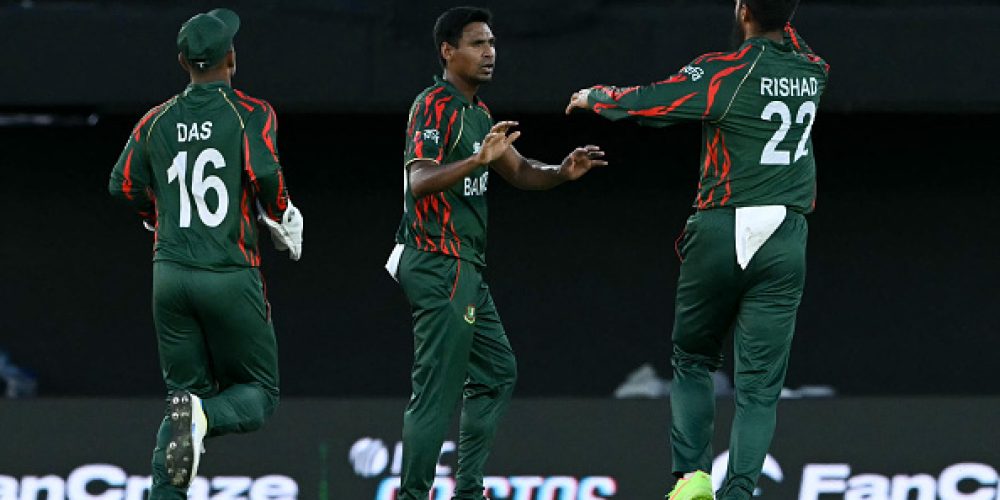
Bangladesh’s participation in the upcoming 2026 T20 World Cup hangs by a thread following a decisive meeting of the International Cricket Council. The global governing body formally rejected a proposal to relocate the team’s group matches to Sri Lanka. This decision follows weeks of escalating tension between the Bangladesh Cricket Board and organizers over player safety.
The standoff began after a diplomatic dispute regarding the removal of a star Bangladeshi pacer from an Indian domestic league. In response, Dhaka expressed deep concerns regarding the security of its national team on Indian soil. However, the international body stated that independent risk assessments found the overall threat level to be low.
During the high-stakes board meeting, a vast majority of cricket nations voted against changing the tournament’s logistics. Only Pakistan supported the relocation request, leaving Bangladesh isolated in its position. Officials noted that shifting venues so close to the February 7 start date would create a logistical nightmare for broadcasters and fans.
Bangladesh Cricket Board president Aminul Islam admitted he is now hoping for a miracle to resolve the crisis. He requested a final 24-hour window to consult with his government before making a permanent decision. The board remains caught between the desire to compete on the world stage and its stated commitment to player well-being.
If the team maintains its refusal to travel to India, the council has a contingency plan ready. Scotland currently stands as the highest-ranked team that did not qualify through the regional pathways. They would likely take the vacant spot in Group C alongside powerhouse nations like England and the West Indies.
The potential withdrawal would mark one of the most dramatic exits in the history of the short-format world championship. Beyond the immediate tournament, such a move could damage future bilateral relations and impact the nation’s international standing. A formal pullout might also lead to financial penalties and a significant dip in the team’s official world rankings.
Players find themselves in a difficult position as the deadline looms, with many reportedly eager to participate in the global showcase. Captain Litton Das recently expressed uncertainty about the squad’s future while fans in Dhaka wait for a final answer. The world of cricket now watches closely to see if a last-minute compromise can save the team’s spot.
Ultimately, the dispute highlights the complex intersection of sports and regional politics in the modern era. The final decision from the Dhaka government will determine whether the “Tigers” compete or watch from the sidelines. Time is running out as the opening ceremony in India and Sri Lanka approaches.









