

Key Points:
• Top seeds advanced on opening day, but early scares highlighted tough conditions.
• Rising players used Day One to announce themselves on tennis’s biggest stage.
• Extreme heat and packed schedules tested fitness, strategy, and mental strength.
The 2026 Australian Open opened with high drama, physical tests, and early storylines that set the tone for the tournament. Fans witnessed a mix of dominant performances, tense five-set battles, and signs that the road to the finals will not be smooth.
Melbourne’s summer heat immediately shaped play. Several matches unfolded under challenging conditions, forcing players to manage energy and hydration carefully. Officials closely monitored courts as temperatures rose, reinforcing how endurance remains critical in early rounds.
Top men’s seeds began their campaigns with authority, though not without resistance. Some favorites dropped early sets before regaining control. Their recoveries showed experience and tactical patience, qualities often required to survive the opening week.
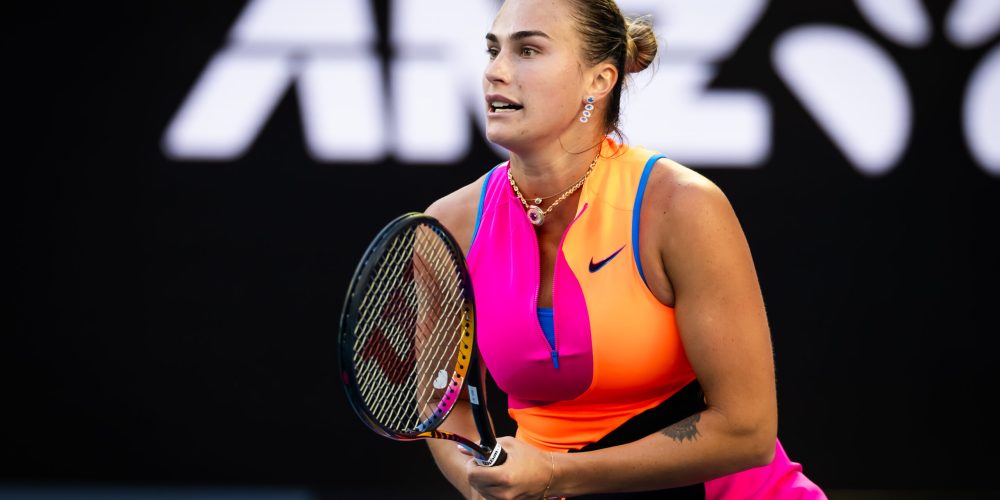
On the women’s side, leading contenders also advanced, displaying consistency from the baseline and composure under pressure. A few matches stretched longer than expected, hinting that depth across the draw continues to grow each season.
Day One also belonged to emerging talents. Young players and lower-ranked challengers pushed established names to the limit. Several matches featured fearless shot-making, signaling a new generation ready to disrupt traditional hierarchies.
Crowd energy played a key role throughout the day. Australian fans filled stadiums early, supporting home players and responding loudly to momentum shifts. The atmosphere added intensity to close contests, especially during decisive tiebreaks.
Doubles and mixed events also began quietly, with seasoned pairs prioritizing clean starts over risk. Early coordination and communication appeared sharp, suggesting many teams prepared extensively before arriving in Melbourne.
Injuries and fitness remained an underlying concern. Some players received medical timeouts, while others showed visible fatigue late in matches. These moments reinforced how scheduling and recovery will influence progress as the tournament advances.
Several high-profile names returned after difficult previous seasons. Their opening performances suggested renewed confidence and improved movement. Analysts noted cleaner service games and reduced unforced errors, encouraging signs for deeper runs.
Upsets, while limited, still emerged. A handful of seeded players exited earlier than expected, reminding observers that first rounds often produce surprises. These results immediately reshaped sections of the draw and opened paths for outsiders.
Coaches and players emphasized adaptability in post-match remarks. Adjusting to court speed, heat, and opponent styles appeared essential. Many winners credited disciplined shot selection rather than aggressive risk-taking.
As Day One concluded, attention shifted to upcoming blockbuster matchups. Several potential clashes between established stars and rising challengers already captured interest, promising compelling tennis in the days ahead.
The opening day confirmed familiar truths about the Australian Open. Early rounds demand resilience as much as skill. With conditions unforgiving and competition deep, only those balancing power, patience, and preparation will advance comfortably.









